Issue 15 | October 2026


Hello
And welcome.
Dave Middleton, Executive Chair, amii
Welcome to the October 2026 edition of our member newsletter. From four new corporate members to fresh thinking on absence, AI and women’s health, there’s plenty to catch up on.
First, a date for your diary: our Autumn Health & Wellbeing Summit on 18 November. It’s free to attend, it counts for 7 hours of CPD, and you’ll find the full story of the day inside. Places are limited, so if you haven’t registered yet, now’s the time.
Our membership keeps growing, too. We’re delighted to welcome Adora Digital Health, HealthHero, WPA and Zest as new corporate members, and you’ll find out more about them inside.
HealthHero also looks at a gap that should concern every adviser working with employers: over half of UK workers have access to an EAP, yet sick days are at their highest level in 15 years. Skin Analytics asks whether AI is the responsible choice for private dermatology. And UKGI unpacks the hidden governance risks facing firms run by a single director. If that’s you, it’s well worth ten minutes.
Women’s health stays firmly on our agenda. To mark World Menopause Day, join our webinar on Wednesday 21 October, when Adora Digital Health co-founders Ann O’Neill and Ed Smith share five things you need to know about how women’s health has changed.
Finally, we have 10 free places for amii members at the Protection Review Conference in London on 26 November. They’re first come, first served, so don’t wait.
I hope you find this edition useful.
Newsletter Contents.

AI: the responsible choice for private dermatology?
Skin Analytics
Skin cancer is one of the UK’s most common cancers, and a large and growing share of dermatology referrals relate to suspected skin cancer. As incidence rates continue to rise, dermatology capacity is struggling to keep pace, and private patients can now wait up to six weeks for a first appointment.
Speed of access to diagnosis matters enormously with skin cancer, and it is one of the main reasons people choose private healthcare. Yet in private dermatology, that promise is increasingly under strain.
The great majority of moles and lesions referred turn out to be benign, but each one still needs a dermatologist’s assessment to rule out cancer. The result is that specialist time is absorbed by triage rather than treatment, and patients with genuinely urgent, pre/malignant presentations can end up waiting alongside a much larger group who didn’t need a specialist at all.
For a private provider, that is not just an operational inefficiency but a trust problem. Patients expect the pace of private care to match its promise, and a delay at the first point of contact undermines that before care has begun. It also prolongs the anxiety patients feel while they wait to be seen and receive a diagnosis.
Why this is a pathway design problem, not a staffing problem
The instinctive response to a capacity crunch is to add headcount. But dermatologist supply is constrained everywhere, private and NHS alike.
The more durable fix is to change where in the pathway clinical assessment gets applied. If the bulk of low-risk, benign cases could be identified and safely discharged before they ever reach a dermatologist’s desk, specialist time would concentrate almost entirely on the cases that genuinely need it. That’s redesigning the pathway, not to increase current capacity but reserve it for patients in greatest need.
AI as a medical device makes this possible.
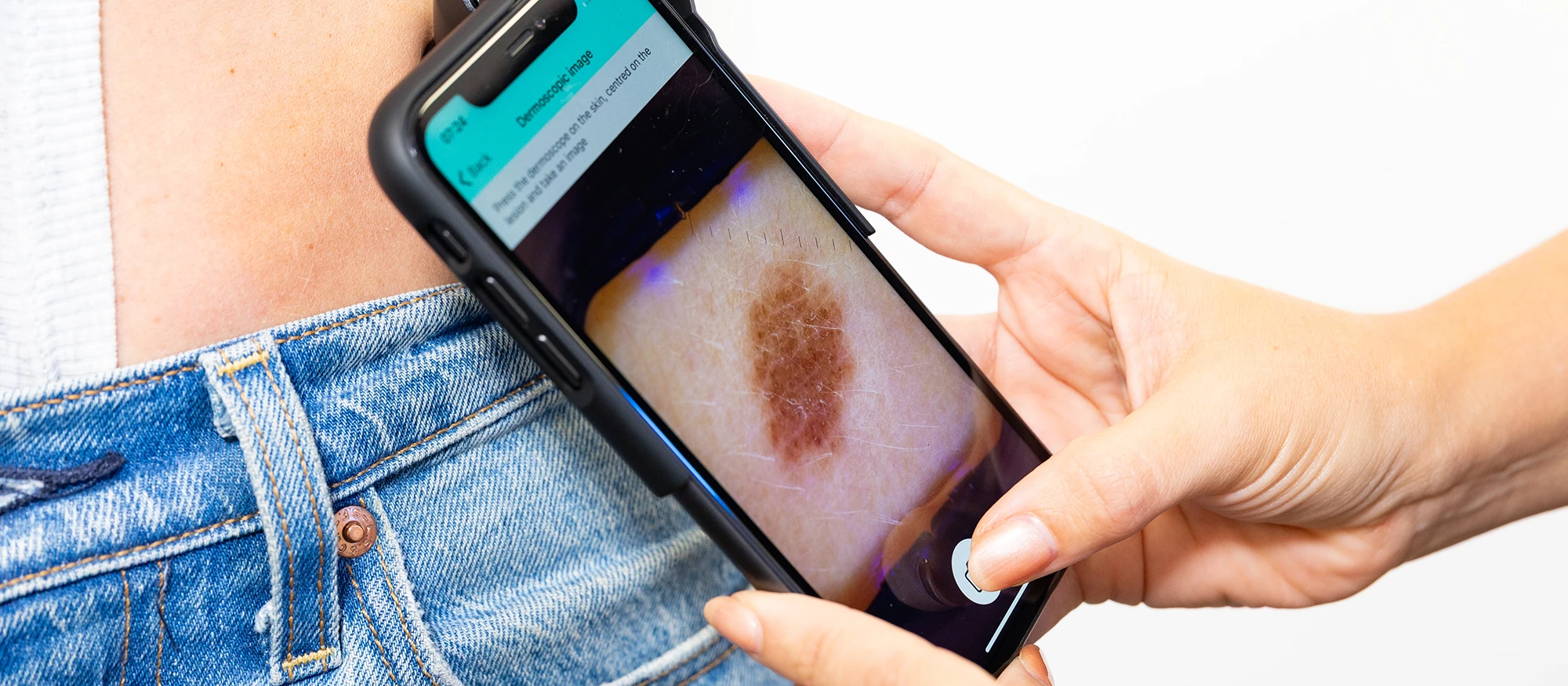
Skin Analytics’ DERM is the only CE Class III AI as a medical device for skin cancer, and the only AI approved to make autonomous clinical decisions in the cancer space. Sitting at the front of the pathway, DERM assesses dermoscopic images of skin lesions, safely discharging benign lesions from dermatology caseload while fast-tracking pre-malignant and malignant ones for specialist review.
Independent research commissioned by NHS England and carried out by Edge Health found DERM’s performance to be at least as good as that of dermatologists. NICE has also given the technology a conditional recommendation, with further evidence to be gathered ahead of a full assessment. Bupa has since become the first UK insurer to build DERM into its at-home skin assessment pathway, using it to autonomously discharge benign cases and protect specialist time for those who need it.
The interesting question isn’t really “does the technology work?”, the evidence on that is obvious. It’s what it takes organisationally to actually put it into a live pathway: how clinical governance adapts, how case load consequently changes for consultants and how patients experience a process that used to involve multiple waits and handoffs now happening as one continuous journey.
What this suggests for the wider market
As private providers increasingly compete on experience as well as clinical outcome, the pathways redesigned first, are likely to make those providers market leaders, not merely set the standard the rest get measured against. Dermatology is a useful bellwether precisely because it combines high referral volumes with a heavy skew toward low-risk cases, the exact conditions where using AI to redesign the pathway has the most to offer both patients and the sustainability of specialist services.
The broader lesson probably travels beyond dermatology: wherever a specialty combines high demand with a large proportion of low-acuity cases, there’s a case for asking not “how do we get more specialists” but “where in the pathway does specialist judgement actually need to sit.” Framed that way, this stops being a question about adopting new technology for its own sake, and becomes a question about the standard of care organisations are willing to accept. A six-week wait for a cancer check is not a neutral default; it’s a choice, made by design or by inertia.
As the evidence for regulated AI triage becomes harder to ignore, doing nothing starts to look less like caution and more like an unexamined risk of its own. The responsible position is shifting: not whether AI belongs in the pathway, but how it can be introduced safely. For the patient waiting on an answer, the pathway that gets there faster, with the same or better performance, is simply the one that puts their experience and health first.
Sharper You. Stronger Business.
Why intermediaries should be in the room on 18 November.
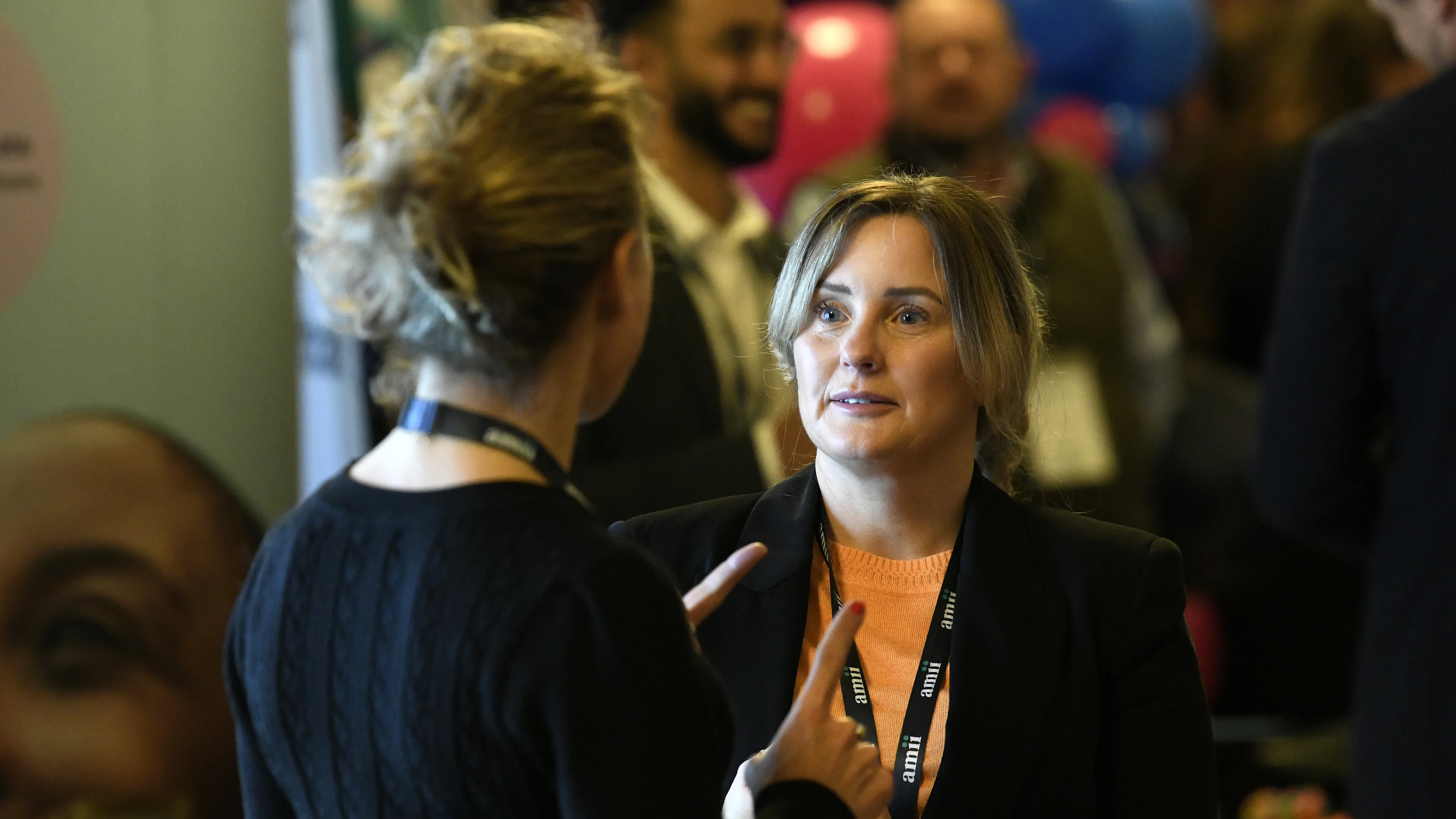
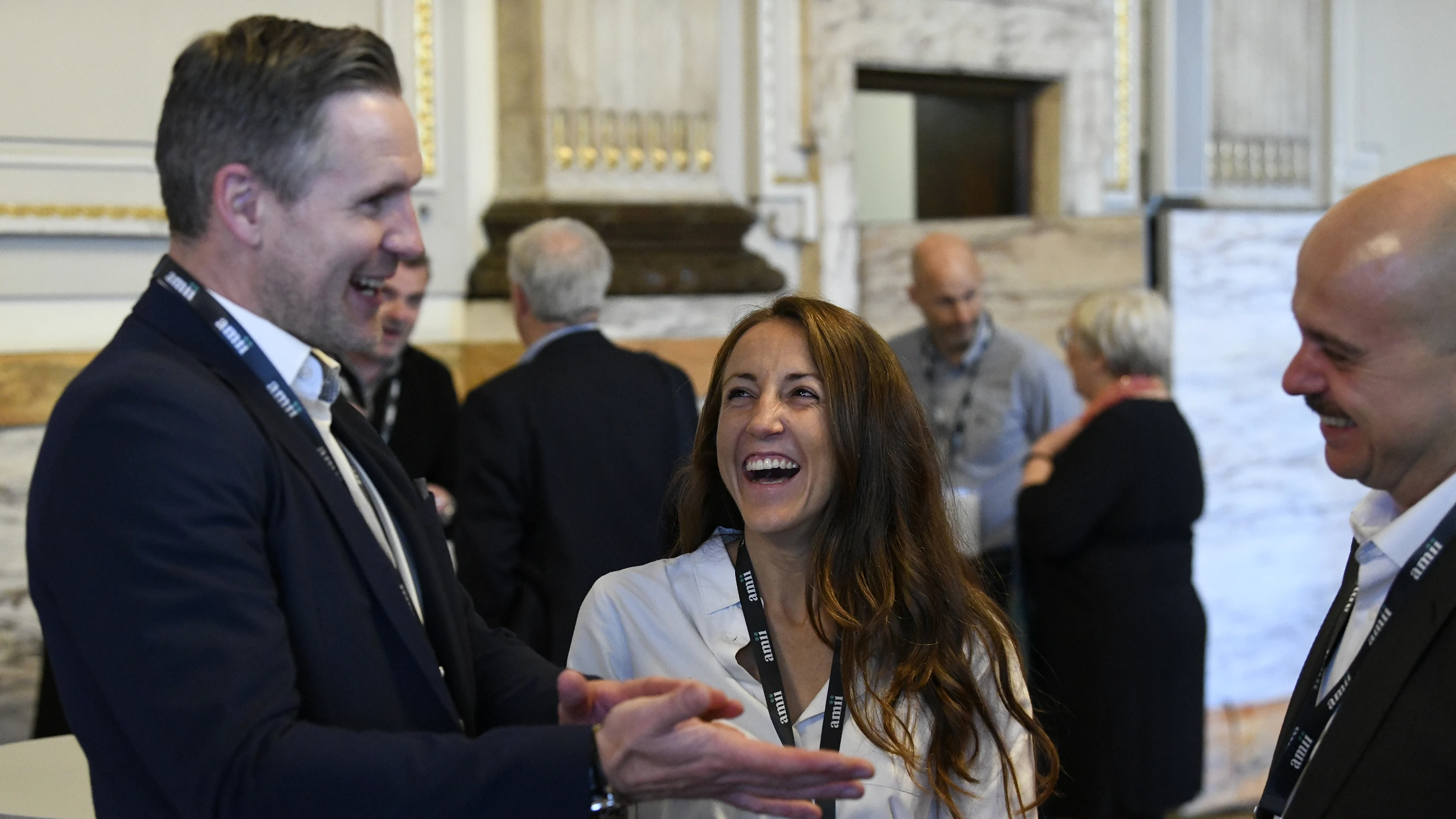
Most of what you learn in this industry, you learn from other people. A conversation over coffee that changes how you pitch a scheme. A provider you’d never have found on your own. A steer on policy that saves you a headache six months down the line. Our Autumn Health & Wellbeing Summit gives you a full day of exactly that.
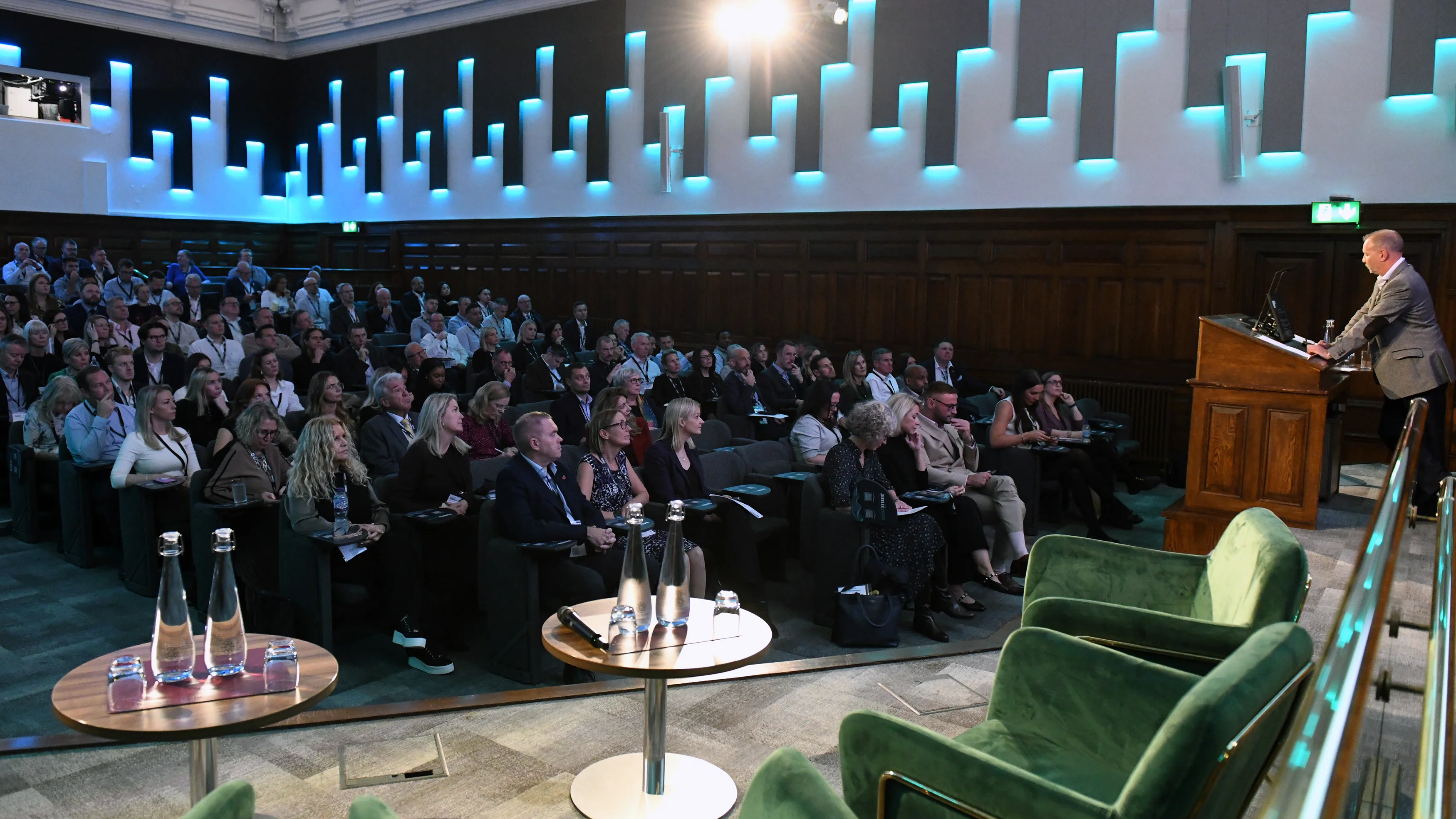
On 18 November, from 9am to 5pm, intermediaries, insurers and providers from across the amii community come together for a day built around two things: your business and your own development. That’s what “Sharper You. Stronger Business.” means.
What to expect on the day
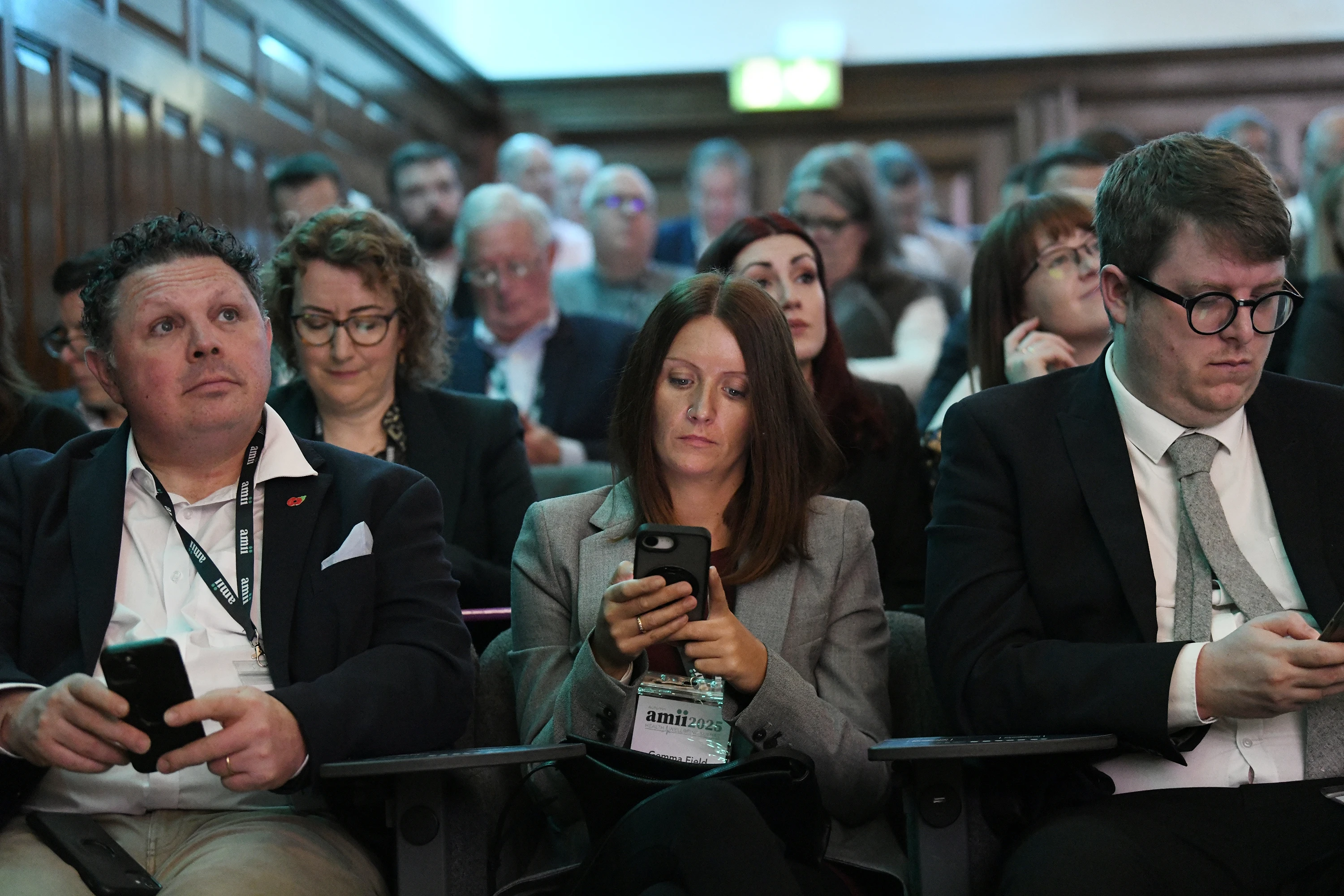
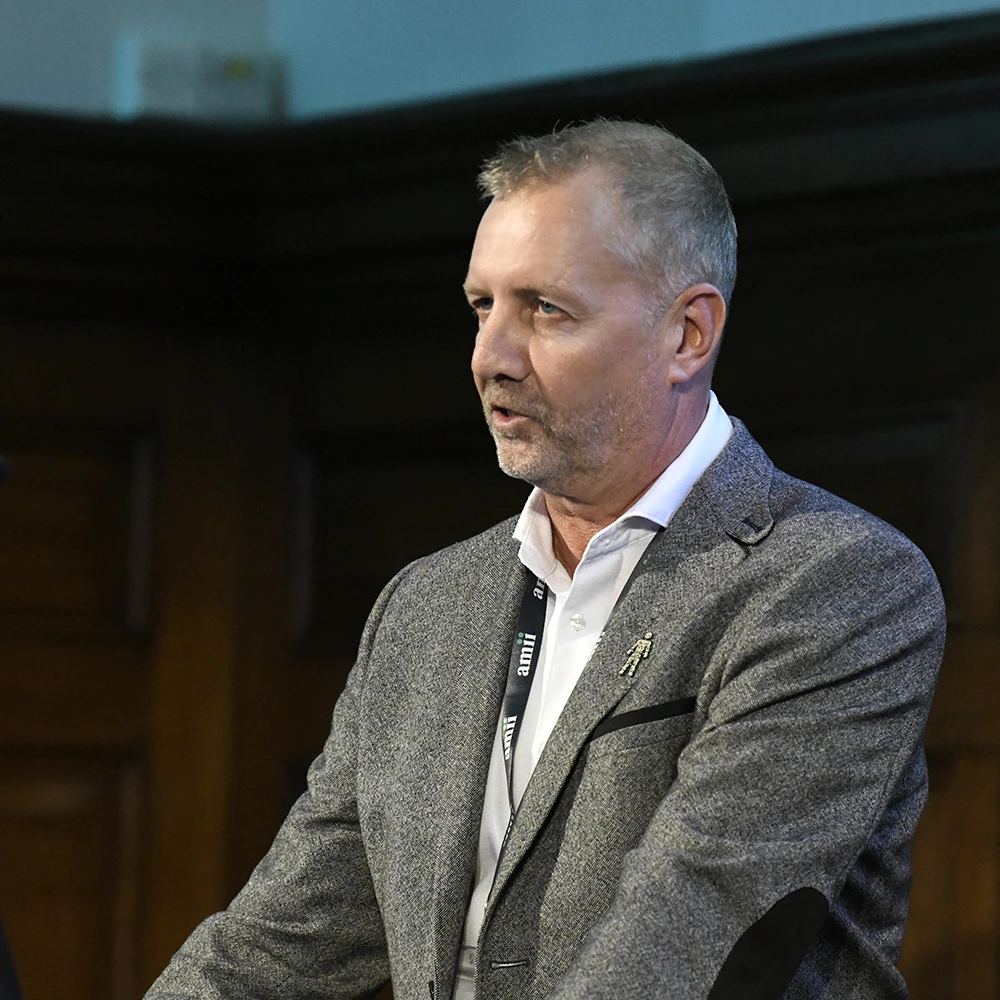
The day opens with registration, refreshments and networking in the Exhibition Hall, before Dave Middleton, Executive Chair of amii, sets out what’s ahead. Then we get practical. Niall Ratcliffe and Grayson Chappell of Noticed will share stories, knowledge and tips on LinkedIn working as both a networking platform and a revenue-generating channel. If you know you should be doing more on LinkedIn but aren’t sure what “more” looks like, this session is for you.
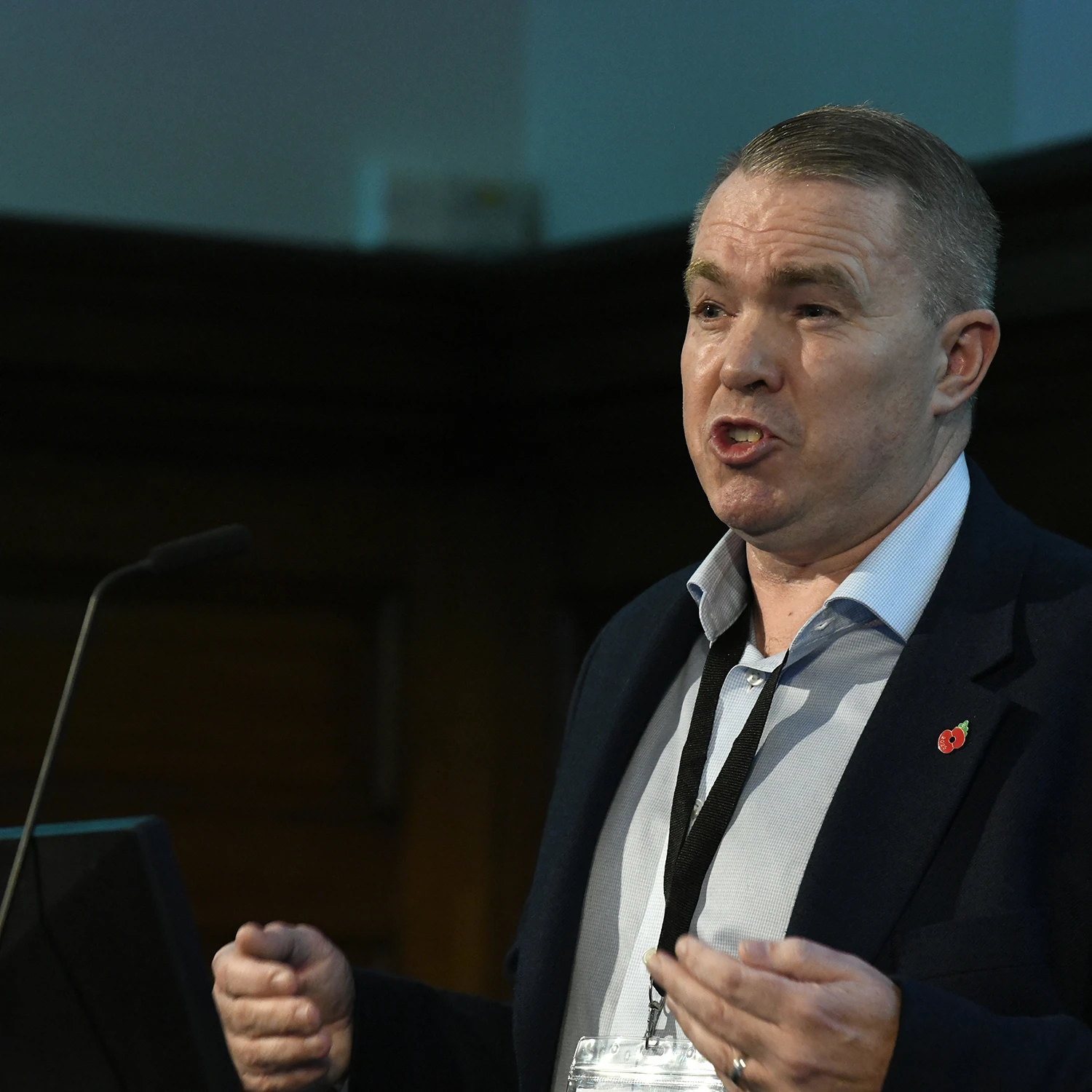
Dominique Kent, CEO of Bluecrest Wellness, follows with the power of preventative health, a conversation more and more employers are ready to have. After the break, Mike McCarthy, Co-founder and Organising Committee Member of the charity Baton of Hope, talks about men’s mental health and suicide support and prevention in the workplace. It’s a difficult subject, and one where advisers can make a real difference for the businesses they work with.
Before lunch, Lord Syed Kamall, Shadow Minister for Health and Social Care, joins us for a fireside chat on the role of markets, private provision and employer-led health in keeping Britain working. It’s a chance to hear how policymakers see our sector’s part in that debate.
After lunch comes Connect 4. Rather than wandering the hall hoping to bump into the right people, you visit four providers in under an hour through structured, topic-driven meetings, and you choose every conversation when you register. You leave with the conversations you came for.
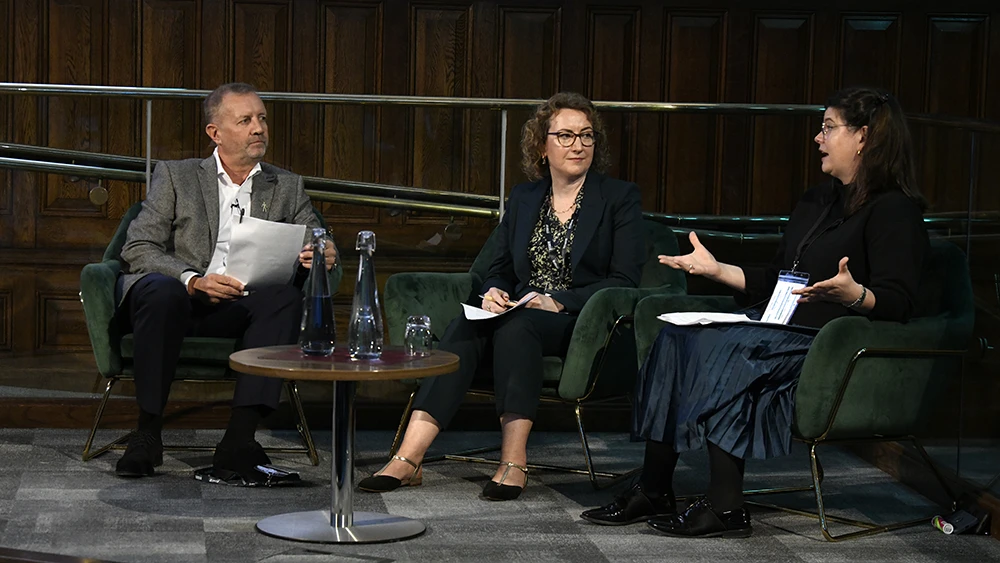
Paula Coffey then chairs our women’s health panel, exploring variations in support across the private sector and how to support women through different life stages. Our panel includes Dr Amy Pressland of Benenden Health, Ann O’Neill of Adora Digital Health, Dr Roshane Mohidin of Aviva and Dr Yvonne Umebuani Beresford of Vitality Health, with more to be announced.
We finish the programme with two pieces of amii news you’ll want to hear first. Paul Swanson shares news on the amii Benefit Comparison Platform, and Liam Kennedy, Vice Chair of amii, gives an update on the amii Academy. Dave’s closing remarks lead into a drinks reception and one last chance to network before we close at 5pm.
Why it's worth the day
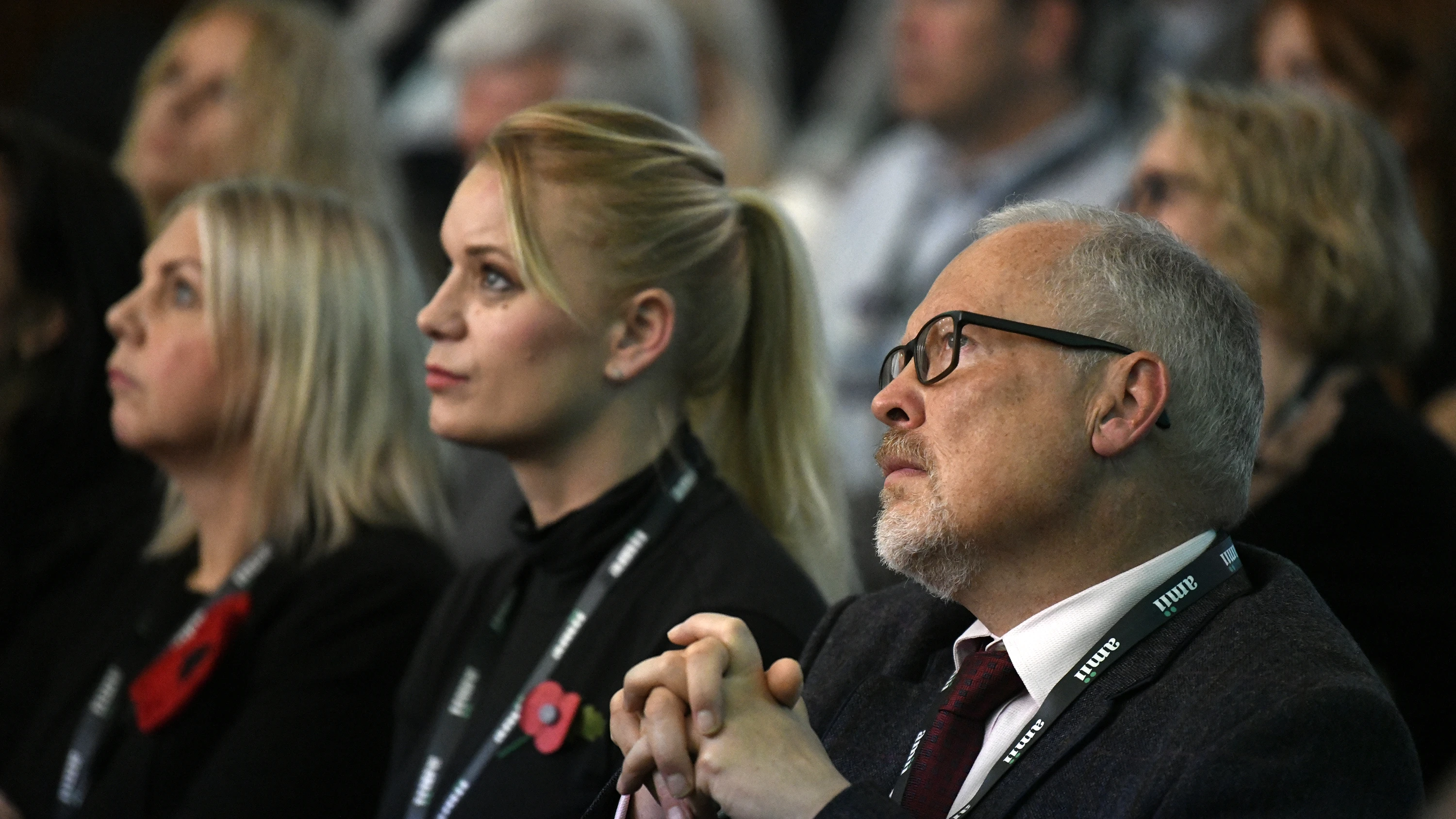
The summit is free to attend and counts for 7 hours of CPD. Even so, a full day out of the diary is a real cost for any intermediary business, so the day has to earn its place. You’ll come away with ideas you can take straight back to clients. You’ll have sharper thinking on how to grow your own profile and pipeline. And you’ll have had focused, useful conversations with providers you chose yourself.
Just as important are the people. The summit brings our community into one room, and the conversations that start in the Exhibition Hall have a habit of carrying on long after the drinks reception ends.
Whether you’re running a firm, building a book of clients or earlier in your career and looking to grow, there’s something in this programme for you.
Places are limited, and Connect 4 meetings are chosen when you register, so book early and have a think about who you want to meet.
Register now at https://amii.org.uk/events/
Have you registered to join the for Members Only section of our website?
The for Members Only section of our site provides a wealth of content for members, as well as access to all the benefits that being a member of amii provides. If you haven’t done so already, please do register to take advantage of everything your membership offers. You can do so by following the link below.
amii welcomes new corporate members
A growing community, and the right mix.
What employers and individuals want from health and wellbeing support is changing fast. They want it accessible, flexible and broad enough to meet real needs, whether that’s mental health, menopause care, or simply getting people to use the benefits they’ve already been given. No single type of business can answer all of that. That’s why the shape of our membership matters as much as its size.
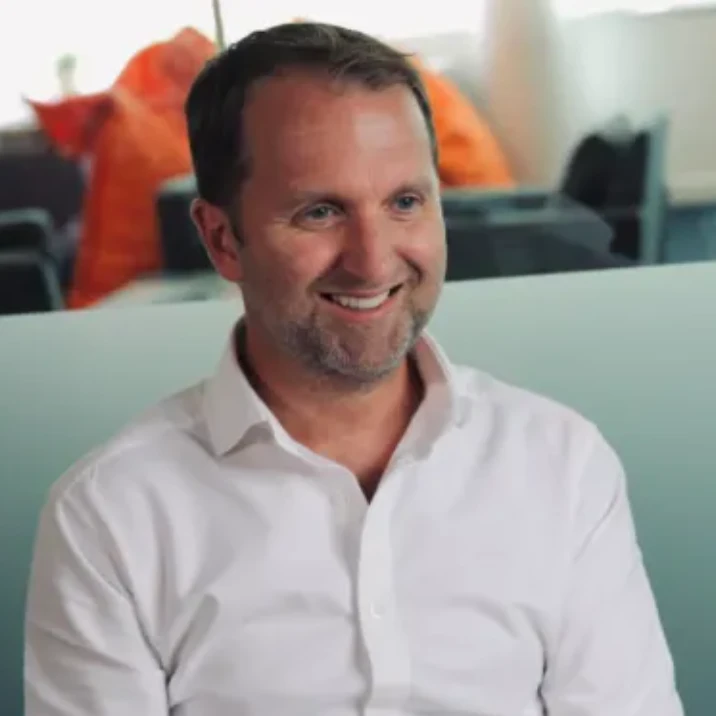
Matt Russell
CEO

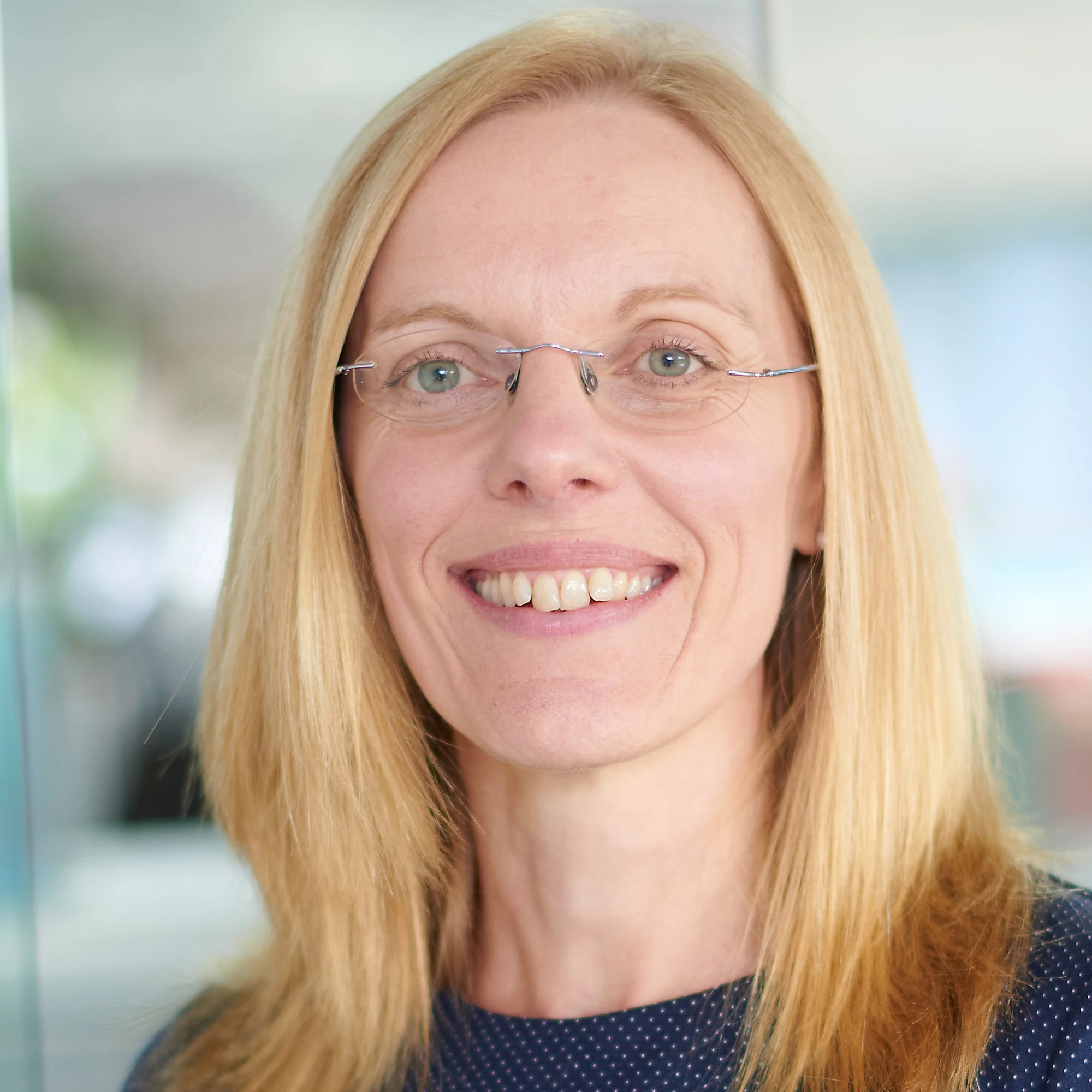
Kathryn Vellacott
Head of Distribution
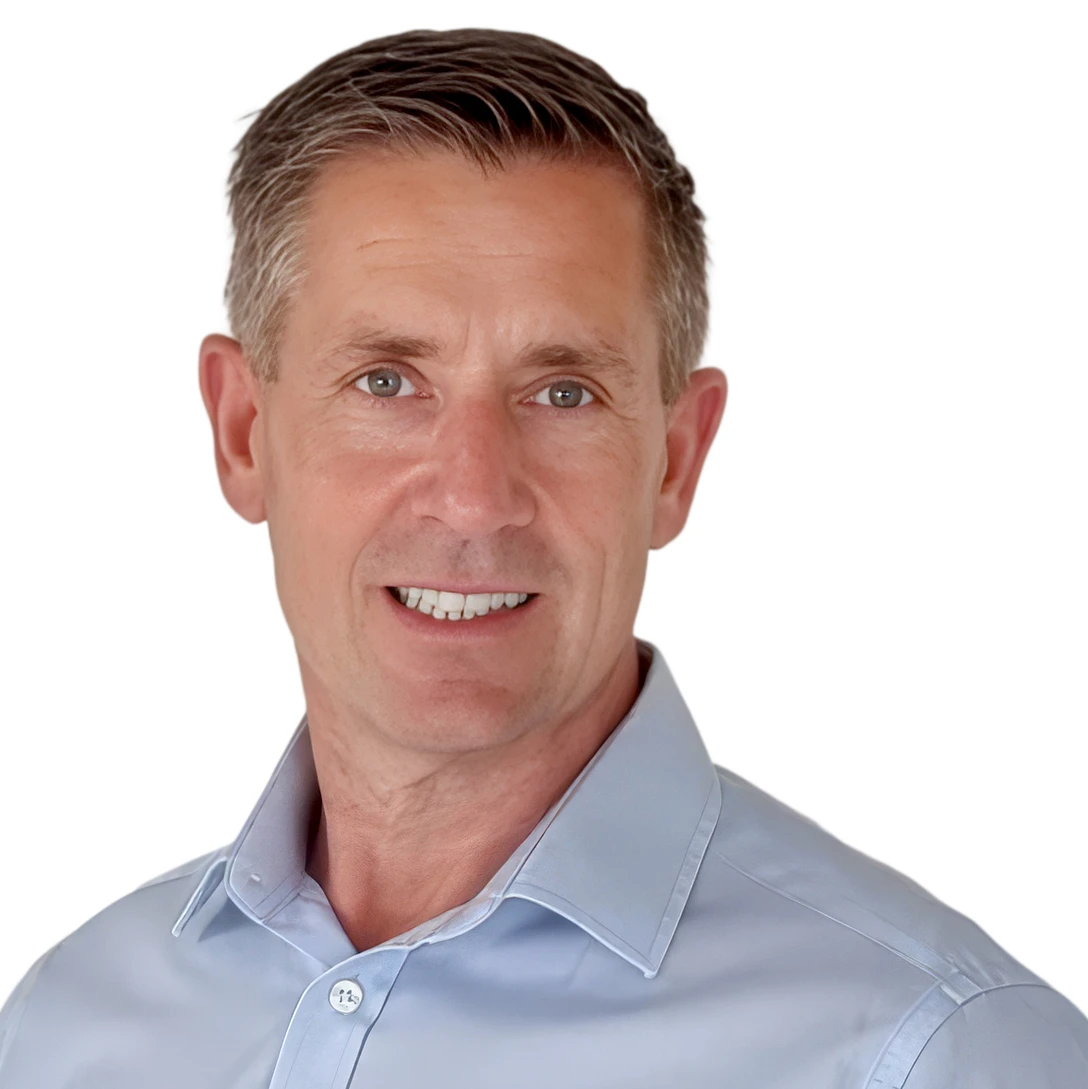
Brandon Collins
Commercial Director

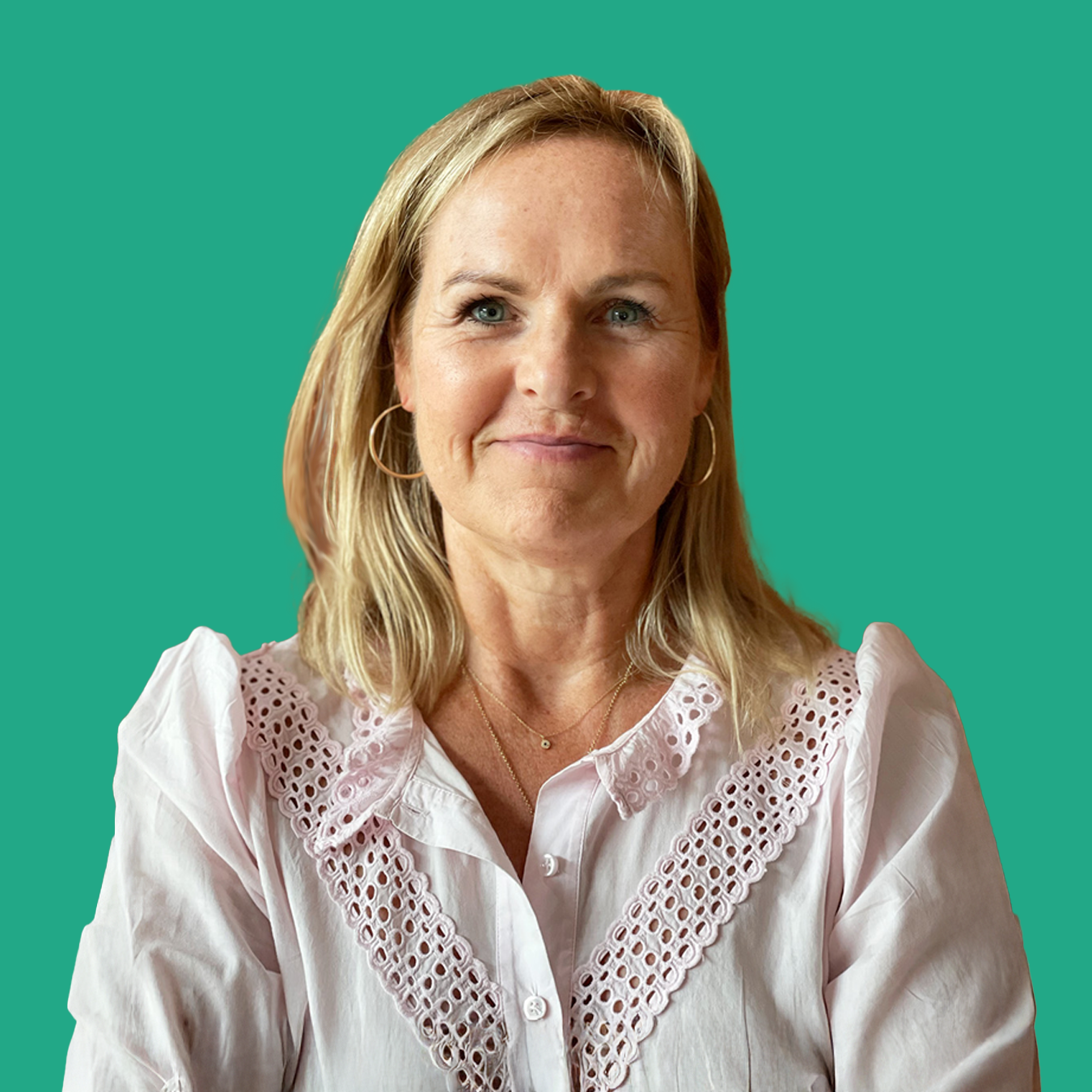
Ann O'Neill
CEO & Co-founder
In recent months, four new corporate members have joined amii, and between them they cover a lot of ground. Adora Digital Health brings clinically governed menopause care for employers and insurers, co-designed with the NHS and governed as a Class I medical device. HealthHero, Europe’s largest digital clinic, puts mental health support, EAP, virtual GP access, physiotherapy and dietetics under one provider. WPA adds a long-established reputation in health insurance and impressive recent growth, with a customer base nearly twice its pre-pandemic size. And Zest, whose multi-award-winning platform serves more than 300,000 employees across over 500 customers, tackles one of the sector’s most stubborn problems: benefits that employers invest in but employees don’t use.
What connects them is the intermediary. Each has joined to work more closely with the advisers and brokers who connect employers with the right support. Ann O’Neill at Adora said she’s looking forward to “meeting the people making the changes in this sector”. Brandon Collins at HealthHero explained that clients are increasingly seeking standalone propositions, and brokers are making contact as a result. Kathryn Vellacott at WPA described intermediaries as “central to our distribution strategy”. Matt Russell at Zest called amii “the gold standard in health and protection intermediary expertise”.
That breadth is deliberate. Our membership should reflect the full range of organisations working to improve access to quality support, because that’s what makes amii valuable to our Intermediary members. Put a menopause specialist, a digital clinic, an insurer and a benefits platform in the same room as our intermediary members and the conversations get sharper. Insight travels further. Standards across the sector keep rising.
It also says something about where the market is heading. The organisations that want a hand in shaping the future of health insurance and wellbeing are choosing to do it here.
To Adora Digital Health, HealthHero, WPA and Zest: welcome. We’re looking forward to connecting you with our network of insurers and intermediaries, and to getting to work.
amii membership includes national conferences, technical and regulatory compliance support, parliamentary and regulatory lobbying, preferential professional indemnity insurance cover, online technical advice, an education events programme and the chance to collaborate with industry peers.
Thinking about joining? Contact Tina Jennings on 07455 269075 or email tina.jennings@amii.org.uk.
Over half of UK workers have access to an EAP
Yet sick days are at their highest level in 15 years.
HealthHero
Employers are footing the bill. The government’s Keep Britain Working review has put the cost of poor workplace health at £85bn per year. 150 organisations (including Tesco, Sainsbury’s and Aviva) have joined a three-year vanguard to find out what actually keeps people healthy and in work. The government intends to turn that into a voluntary certified standard by 2029. There is no current legal requirement, but expectations are clearly rising. Clients will be asking their EAP what they are doing about absence, and brokers will need to have an answer
The support is already there
The majority of businesses have something in place. EAPs are in use with over half of UK employees across 186,000 organisations and uptake among small and medium-sized employers is increasing. The level of support available is higher than it was five years ago. Absence has risen regardless and low EAP usage is a big part of why. EAPA UK recorded just over 623,000 workers contacting an EAP provider over the course of a year, which is a very small proportion of those who have access.
Timing is an issue. Most people only go to support when they’ve hit their breaking point and have already been off work. The most useful time to intervene is just prior to that point, whilst they’re still at work and open to help. That’s what HealthHero’s clinicians refer to as the ‘coping window’, and it’s the window in which absence has the best chance of being prevented rather than simply managed.
The route in is the real problem. The normal route through an EAP is to call a helpline (often during working hours), and that’s where most people stop. GRiD found that 38% of employers leave the decision to take up benefits entirely with the employee and a similar proportion (nearly a third) would rather have lower take-up to help with the cost. Only 18% of employees say they are fully aware of what’s on offer. A workforce that books everything else via a screen will expect the same from their benefits support.

The budget went somewhere else
Employers are looking at every expense. Employer NI went up to 15% in April 2025, and the threshold has dropped from £9,100 to £5,000, so the cost per head has gone up before a single benefit is added. Brokers hear about it at every renewal. Clients want to keep the mental health support, but many can’t afford to run a full service that their people don’t actually use.
What brokers are hearing at renewal
Three conversations keep arising. Some clients have simply never got round to offering mental health support because the cost didn’t work out. Others have a programme in place which is rarely used and is likely to be axed at renewal. A number of the larger employers want the counselling available without having to pay for the extras that their people don’t touch. The common thread in all three is usage. If nobody uses it, then the programme is of no value to anyone, and none of these clients is going to pay for a bundle to get the one thing their people actually use.
How HealthHero can help
Essentials is the entry point to HealthHero’s configurable healthcare, allowing organisations to select the services their staff require at a level appropriate to their budget. It’s designed to get people in as quickly as possible. Employees and dependants can book structured counselling through the My HealthHero app by video, phone or in person, with no helpline call needed, and employers get MI reporting from day one.
Find the full package comparison on the HealthHero EAP page or email client.services@healthhero.com to discuss whether Essentials is right for your clients.
Sources
- Health and wellbeing at work 2025 – CIPD
- Keep Britain Working Review: Final report – GOV.UK
- Employers join forces with government to tackle ill-health and keep Britain working – GOV.UK
- Support for Keep Britain Working ramps up across employers and regions – GOV.UK
- Focusing on the job: EAPs and keeping Britain working – EAPA UK
- In over a third (38%) of businesses, employee benefits take-up is left to the employees to initiate themselves – GRiD
- Changes to the Class 1 National Insurance Contributions Secondary Threshold, rate and Employment Allowance from 6 April 2025 – GOV.UK

Thursday 26 November
Protection Review Conference 2026: 10 free places for amii members.
AMII members are invited to claim one of 10 complimentary places at this year’s Protection Review Conference, one of the protection industry’s key annual gatherings. Over a single day, insurers, distributors, technology providers, journalists and consumer champions come together to look at the big questions shaping the market.
What’s on the agenda
Data, Decisions & Disruption: the future of AI and insurance.
Conference chair Kevin Carr opens the day with a session on how AI is changing the way we design, sell and service protection. It includes talks from Catherine Charbonnier, Rhys Williams (Quietroom) and Nigel Bradshaw (The Really Interesting Life Company), followed by a panel with Craig Paterson (Royal London), journalist Harriet Meyer, Laura McGraw (Reassured) and Tim Hardcastle (INSTANDA).
Grow together or stall separately?
Chaired by Jo Miller, this session asks how the industry can grow the market through collaboration rather than competition alone. Anna Graham (RGA), Carlton Hood (Guardian), Stephanie Hydon (iPipeline) and David Mead (SJP) each speak and then come together for a panel discussion.
FCA panel discussion.
Kevin Carr is joined by Stephanie Charman (AMI), Roy McLoughlin (Protection Distributors Group), Cameron Roberts (Cover Magazine) and Andy Philo (Vitality) to discuss the regulatory landscape and what it means for firms and customers.
ProtectX Live.
Roger Edwards chairs a lively afternoon session with each speaker having just 7 minutes to explain why we need to hear about their topic in particular.
There will be plenty of time for networking over coffee and lunch in this beautiful setting.
Why attend?
Whether you work in health insurance, protection, distribution or advice, the conference offers a rare chance to hear from senior voices across the market, challenge current thinking and make useful connections, all in one day in central London.
How to claim your free place
Places are limited to 10 and will be allocated on a first-come, first-served basis. To register, email jo@lebeauvisage.co.uk quoting amii.
The single director dilemma: Hidden governance risks.
UKGI
Background
In the early stages of a business, a sole director can seem sensible – decisions are quicker, accountability is clear, and costs are lower. Many successful firms start with a highly capable, experienced, and committed founder, wearing multiple hats and driving growth. The issue is not capability, but rather that capability is not the same as resilience.
Although FCA rules do not require every regulated firm to have multiple directors, expectations around outcomes, governance and operational resilience are increasing. The key question is whether the business can manage its risks and responsibilities sustainably, when so much depends on one individual.
Resource risk: the limits of one individual
In an FCA-regulated business, a director’s responsibilities go far beyond commercial leadership. They include governance, regulatory compliance, operational resilience, financial and risk management, customer outcomes, and strategic direction.
Even the most capable director has limited capacity. Where one person is responsible for all key decisions, regulatory engagement, governance and strategy, dependency becomes built into the business model and resilience is only truly tested when the unexpected happens.
This begs the uncomfortable question for sole directors: “What happens if I’m not there tomorrow?”
Unexpected absence can arise from illness, incapacity, bereavement, family emergencies, or extended leave, but continuity can also be tested during operational incidents or regulatory interaction. The absence of a second director often means there is no immediate successor or authorised individual capable of stepping into the role, so:
- How would the business continue its day-to-day functions and continue to service its customers?
- How would bank accounts be managed/sign off provided, where required?
- How would key decisions be made?
- Who would provide oversight and challenge?
- How would regulatory responsibilities continue uninterrupted?
- How would the firm meet its legal obligations?
- How would a new director be appointed?
For many firms this could create significant issues, expose key relationships, and leave customers, employees and stakeholders left wondering who is actually in charge. This is not simply an inconvenience; it can create genuine operational, legal, and regulatory risk.

Operational resilience starts at the top
Operational resilience is now a key regulatory focus, with firms investing in technology, cybersecurity, outsourcing, and continuity planning. Yet many still overlook leadership as the biggest single point of failure.
True resilience requires organisations to consider ‘people risk’ with the same rigour applied to operational risk, because resilience is not measured by how much one person can carry; it is measured by whether a business can continue to thrive or even function when a key or sole director is incapacitated.
Adding a second or additional director should not be viewed as a regulatory burden but rather an investment in resilience. An additional director can provide independent challenge, broader expertise, and greater decision-making capacity, resulting in improved governance and enhanced stakeholder confidence.
For many firms, the move from a sole director model to a broader leadership structure marks an important stage of organisational maturity. It is not, however, always immediately practical for smaller firms, and in these cases a well-structured locum arrangement can provide valuable resilience.
Whether through an existing member of staff, an experienced consultant, a retained compliance professional, a Non-Executive Director or another suitably qualified individual, firms can establish pre-agreed arrangements that can be activated if a sole director becomes unexpectedly unavailable, leaving the business in a safe pair of hands.
The benefits are significant:
- continuity of regulatory engagement and communications;
- support for critical business decisions during periods of absence;
- independent oversight during operational incidents;
- reduced key person dependency; and
- greater confidence for employees, customers, and regulators
Locum arrangements are not a substitute for succession planning or strong governance. They are, however, a practical, proportionate way to address a risk many small firms recognise but few formally prepare for. They demonstrate an acknowledgement that operational resilience extends beyond systems and processes to leadership.
If a firm is a sole advisor business, the risks increase and, in this scenario, a locum arrangement would be an FCA-authorised person or company that can step in when needed to help run the business and look after customers.
When setting up a locum agreement, succession or continuity planning, contracts and/or other legal documents should be in place to set out the terms, scope of interim arrangements and future contingency plans.

Governance Risk: Who challenges the challenge
The phrase ‘key person risk’ often gets treated as an HR concern. In reality, it is a governance issue because if one individual is responsible for all the critical decisions, risks, and strategy, the business is not resilient; it is dependent. The FCA has consistently emphasised the importance of effective governance arrangements, and one of the most overlooked weaknesses of a sole director structure is the absence of meaningful challenge.
Governance is strengthened when decisions are subject to scrutiny from individuals with different perspectives and experiences; in fact, a sole director structure can unintentionally create governance blind spots, for example:
- Strategic decisions may go unchallenged.
- Emerging risks may not be identified early enough.
- Groupthink or blinkered views can develop even when unintentional.
- Significant decisions may lack independent review.
- Regulatory obligations can become concentrated on one individual.
The most effective boards are rarely those where everyone agrees – they are the ones where healthy debate improves outcomes. Businesses do not become weaker because someone asks difficult questions, but poor business decisions happen when nobody does. Additional directors can introduce an additional layer of oversight, challenge and accountability that benefits both the business and its customers.
The appointment of a second director, however, is rarely simple. A suitable director must bring the right combination of skills, judgement, commercial understanding, independence of thought and cultural fit. Such an appointment will also represent a significant financial commitment for the business in terms of remuneration and ongoing costs.
Some solo directors counter this by using a ‘critical friend’ approach, working with another authorised firm or experienced consultant who can provide constructive challenge without the commitment of a permanent board appointment. An external adviser can test assumptions, highlight emerging risks, and offer an objective perspective where one decision-maker dominates.
This does not replace director accountability, but it can be a practical way to strengthen risk assessment and decision-making by providing independent challenge and keeping focus on customer outcomes.
Sole Traders: Additional Risks
Although more uncommon these days, if a firm is established as a sole trader, rather than a limited company, the risks outlined above are further increased.
A sole trader is a self-employed individual who runs their own business; they may have staff, but the business is not legally separate from the individual. In terms of the FCA, it is the individual who is approved and who is ‘the firm’. Therefore, if anything were to happen to the sole trader, where they could no longer continue in the business, the business would need to cease to trade.
If the sole trader ever wished to sell the business, it could only sell the book of business, and the sole trader would need to apply to the FCA to deauthorise. Where firms have staff, and to help protect customers, sole traders may wish to apply for a change of legal status, to become a limited company, which in effect follows the same processes as a new authorisation.
Conclusion
Some sole director firms resist appointing another director through fear of losing control, but a leader who builds the foundation to ensure leadership resilience demonstrates confidence, good governance, and foresight.
Firms that attract investment, higher valuations and regulator confidence are rarely built around one person; they have sustainable governance that can withstand leadership change.
UKGI can assist you in considering your firm’s approach to business resilience and key person continuity. If you have any questions about, or need any support in this regard, we will be happy to discuss how we can assist. Contact the Technical Helpline at helpline@ukgigroup.com or on 01925 767888.

amii Business Webinars
How Women's Health Has Changed: 5 Things You Need to Know Next.
Wednesday 21st October | 12:30–13:00
What’s on the agenda
Presented by Ann O’Neill (CEO) and Ed Smith (CTO), co-founders of Adora Digital Health, the session will explore five key developments that the market needs to understand.
From the differences between regulated AI and wellness apps to the latest evidence around early symptom identification and the risks of misdiagnosis, Ann and Ed will share valuable insights into a rapidly changing area of healthcare.
They’ll also look ahead at how technology and innovation could shape women’s health over the next decade, and the opportunities and considerations this presents for the insurance industry.
Join us for an informative, forward-looking session on a subject that deserves greater attention.