Issue 13 | January 2026


Hello
And welcome.
Dave Middleton, Executive Chair, amii
Welcome to the latest amii members’ newsletter.
I trust this finds you well as we start 2026. This edition reflects on our successful Autumn Health & Wellbeing Summit whilst exploring some of the most pressing issues facing our industry today.
We begin by revisiting November’s Summit at One Great George Street – a genuinely valuable day that brought together intermediaries, insurers and health tech innovators to explore everything from lifestyle medicine to neurodiversity in the workplace. For those unable to attend, we’ve captured the key insights and conversations that made this event so memorable.
This month we’re pleased to feature contributions from Check4Cancer, who make a compelling case for why cancer prevention should be central to brokers’ client strategies rather than a peripheral add-on. With cancer driving increasing PMI claims and long-term absence, early detection programmes are proving to be powerful risk-management tools that deliver tangible ROI. I recently recorded a podcast with Professor Gordon Wishart, founder and CEO of Check4Cancer, where he shared some surprising facts about cancer prevention and early detection. I’d encourage readers to listen on Apple or Spotify.
Benenden Health share important findings from their research into menopause in the workplace – revealing that over 60,000 women in the UK are currently not working due to menopause symptoms. Their insights underline why employers need to prioritise menopause support as part of wellbeing strategy, not merely as a compliance exercise.
Liam Kennedy, Executive Vice Chair of amii provides an update on the forthcoming amii Training Academy, launching in March 2026, which will play a vital role in supporting professional development and regulatory compliance across our intermediary ad provider community.
Meanwhile, Equipsme explore why ‘PMI-lite’ solutions are gaining traction with benefit teams seeking to create greater equity in workplace health provision – addressing the gap between basic cash plans and traditional PMI.
Finally, we’re proud to introduce our collaboration with JAAQ on transforming mental health support across the industry. This initiative brings together lived experience, clinical insight and practical tools to help create more open conversations and better outcomes in the workplace.
Looking ahead, this year, we are planning to hold the AGM online. There may be vacancies for both corporate and intermediary positions, so if anyone is interested in knowing more about the roles, please contact us.
Our next Health & Wellbeing Summit will take place on 17th June at the National Conference Centre and Motorcycle Museum in Solihull. We will be doing something a little different from our usual Spring Summit, so watch this space for more details as they emerge over the coming months.
As ever, thank you for your continued engagement and support.
Newsletter Contents.
The amii 2025 Autumn Health & Wellbeing Summit
Innovation, Insight and Industry Collaboration.
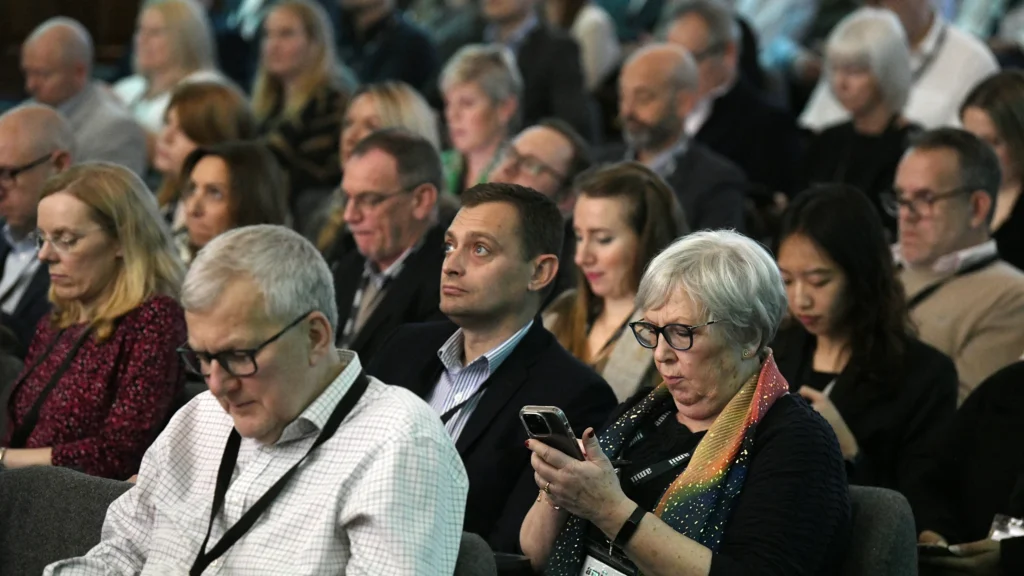
On 13th November, delegates gathered at One Great George Street in Westminster for the 2025 Autumn Health & Wellbeing Summit. The event drew together intermediaries, insurers, and health tech innovators for a day of learning, networking, and discussion about the issues shaping our sector.
For those unable to attend, here’s what unfolded. Copies of the speaker presentations are now available to download in our members’ only area within the Events tab.
Lifestyle medicine takes centre stage
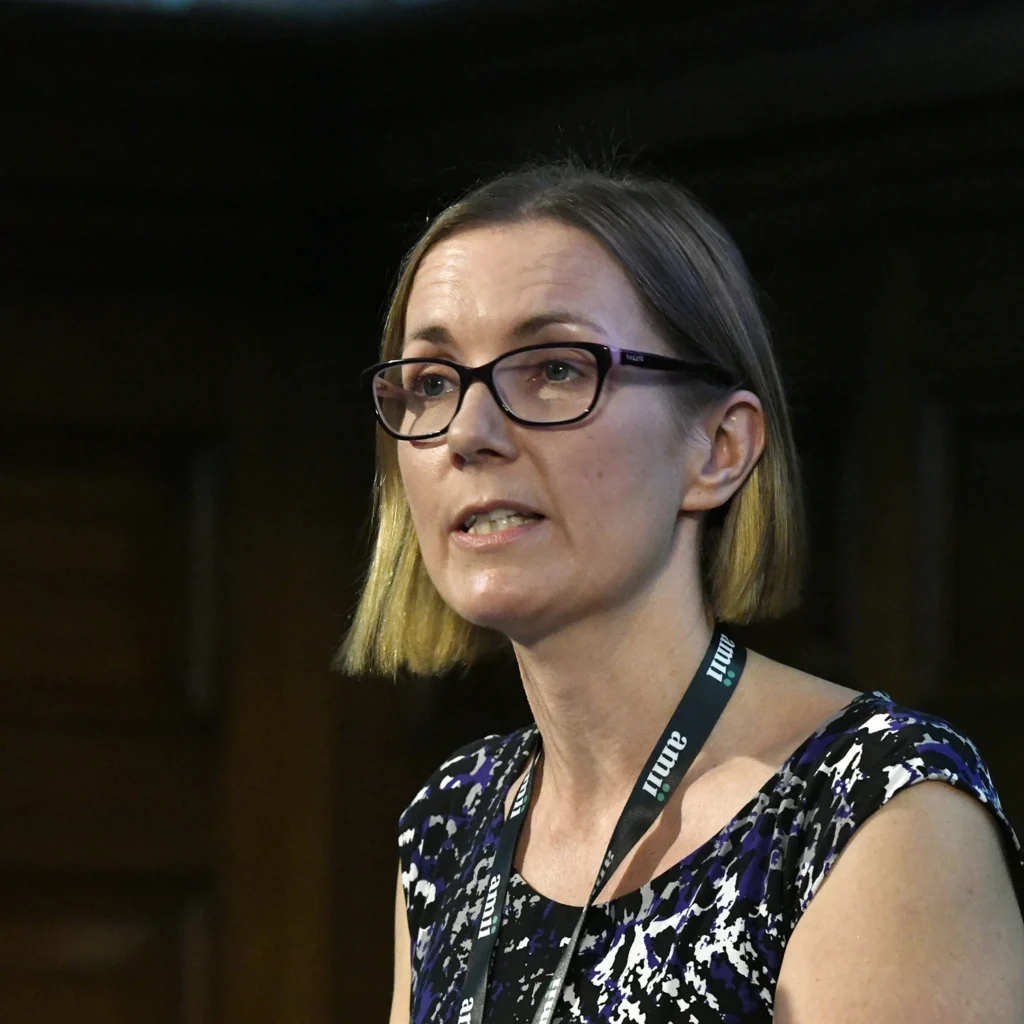
Dr Rebecca Mansfield, Medical Adviser at Unum UK and NHS GP, opened with a compelling case for lifestyle medicine as a cornerstone of preventive health strategy. Her session explored the six pillars – nutrition, physical activity, restorative sleep, mental wellbeing, healthy relationships, and avoidance of risky substances – and their role in preventing, treating and reversing chronic disease.
The statistics were stark: non-communicable diseases account for 75% of global deaths and 88% of UK deaths, with 41% occurring prematurely before age 70. Yet the evidence for lifestyle intervention is equally compelling. For those in health insurance and employee benefits, the message was clear: supporting lifestyle interventions is essential for managing claims costs, reducing absence, and improving long-term health outcomes.
AI: Trust, risk and opportunity
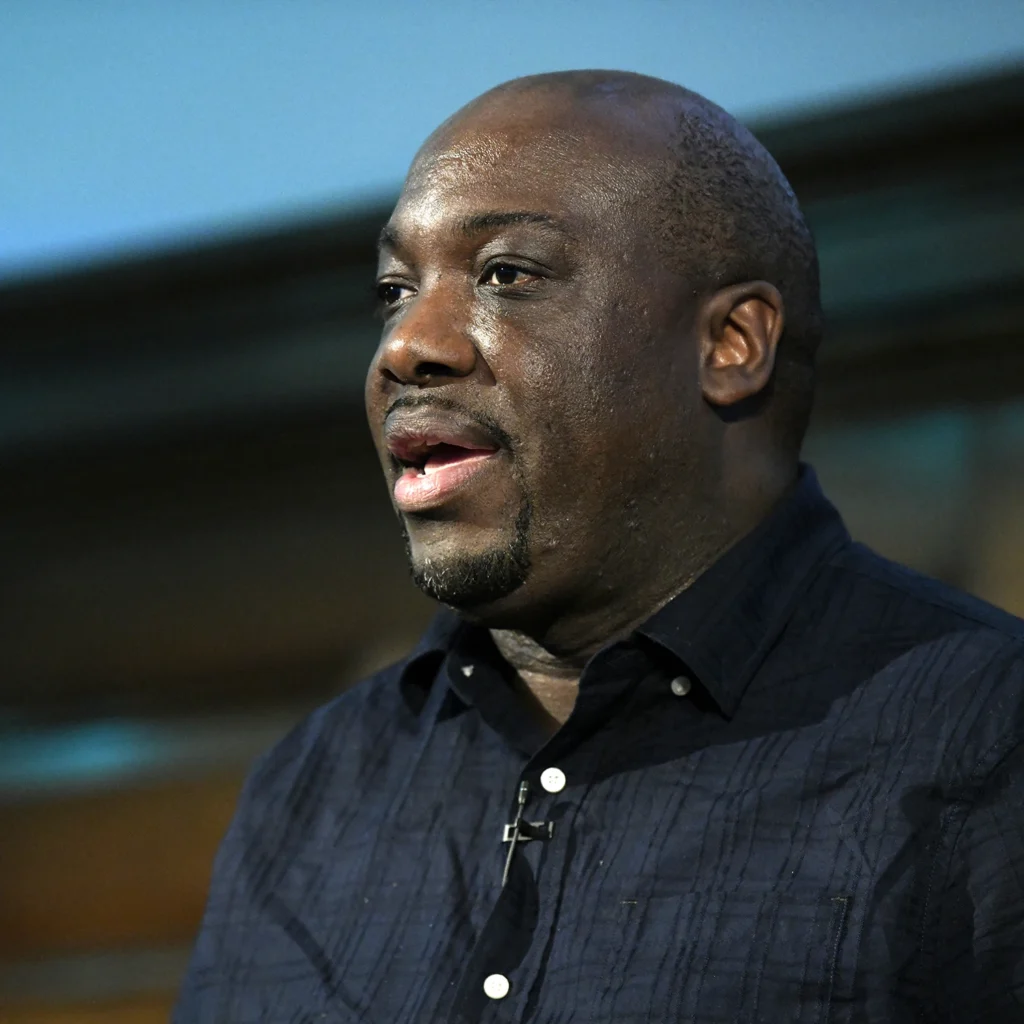
Ian Forrester from Cubic Garden explored artificial intelligence, balancing optimism about AI’s potential with clear-eyed assessment of its risks.
He examined how AI is transforming operational efficiency and customer experience, while highlighting the importance of trust, governance and responsible deployment.
The session reinforced that while AI offers significant opportunities, success depends on robust frameworks, human oversight, and commitment to using these tools safely and responsibly.
The changing landscape of cancer care
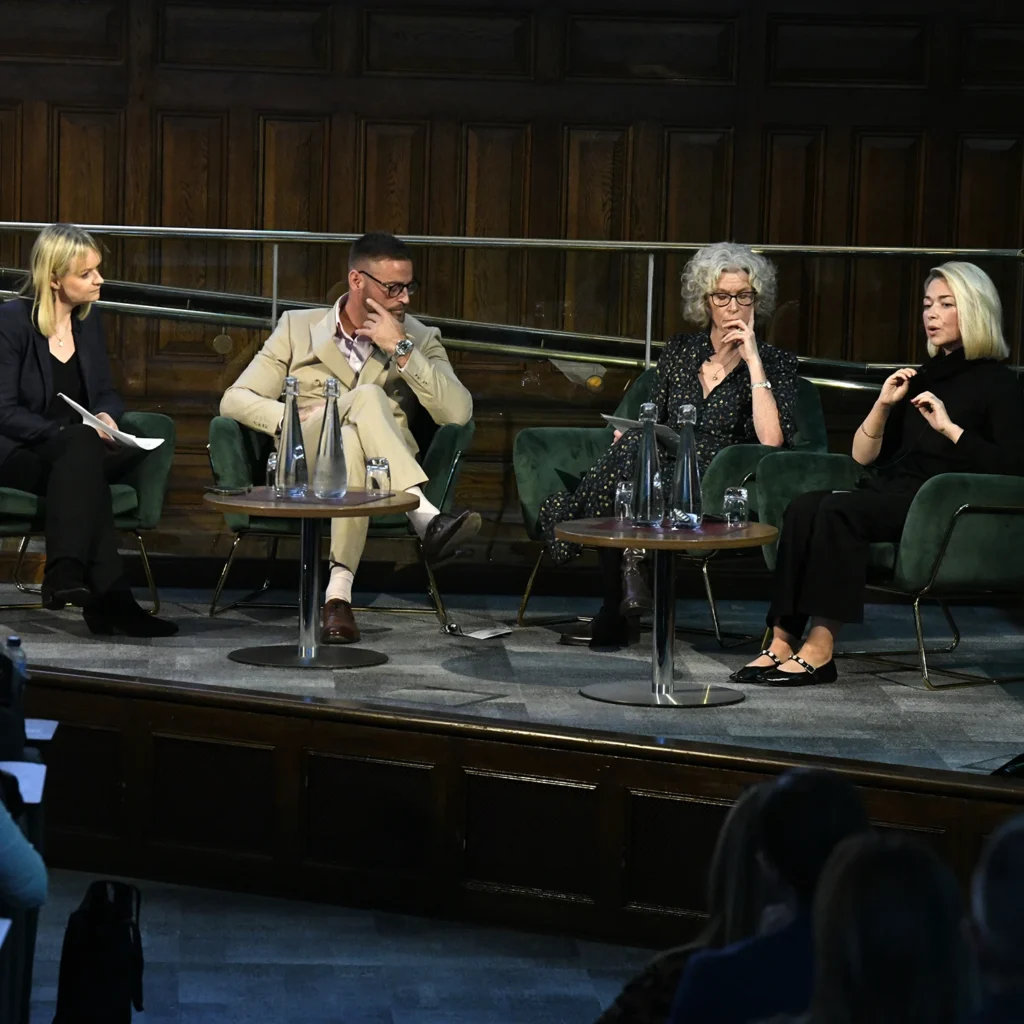
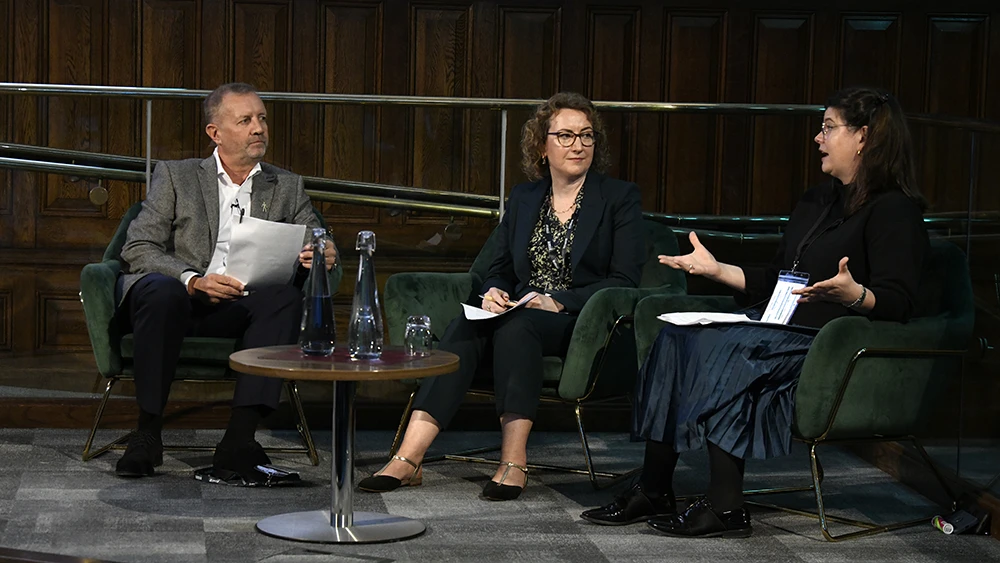
One of the day’s standout moments came with the cancer care panel, chaired by Paula Coffey of Unum UK and the amii Executive Committee. The panel featured Kelly McCabe, CEO of Perci Health; Professor Ben Kelly, COO of Reframe Cancer; and Sarah Taylor from Healix Health.
Kelly McCabe introduced “Performance Oncology” – Perci Health’s proactive model integrating cancer nurse navigation, remote monitoring, exercise prescription, and multidisciplinary support to help people thrive through and beyond cancer. With cancer touching one in two people and incidence rising among working-age adults, the panel made a compelling case for rethinking cancer support.
Professor Ben Kelly shared insights on data-driven care pathways and secondary prevention, while Sarah Taylor discussed Healix’s holistic approach to closing care gaps. The conversation highlighted how early intervention, coordinated support and innovative service models can genuinely improve outcomes.
Training, compliance and the future
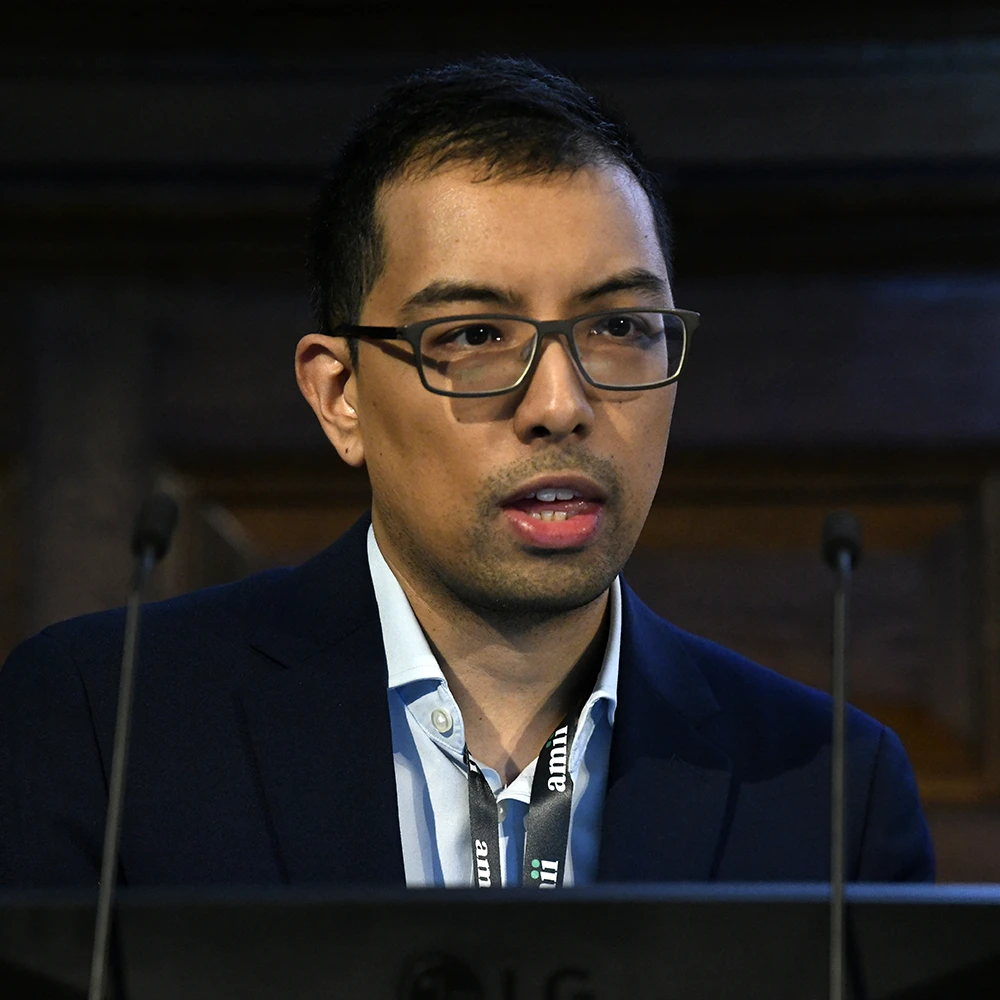
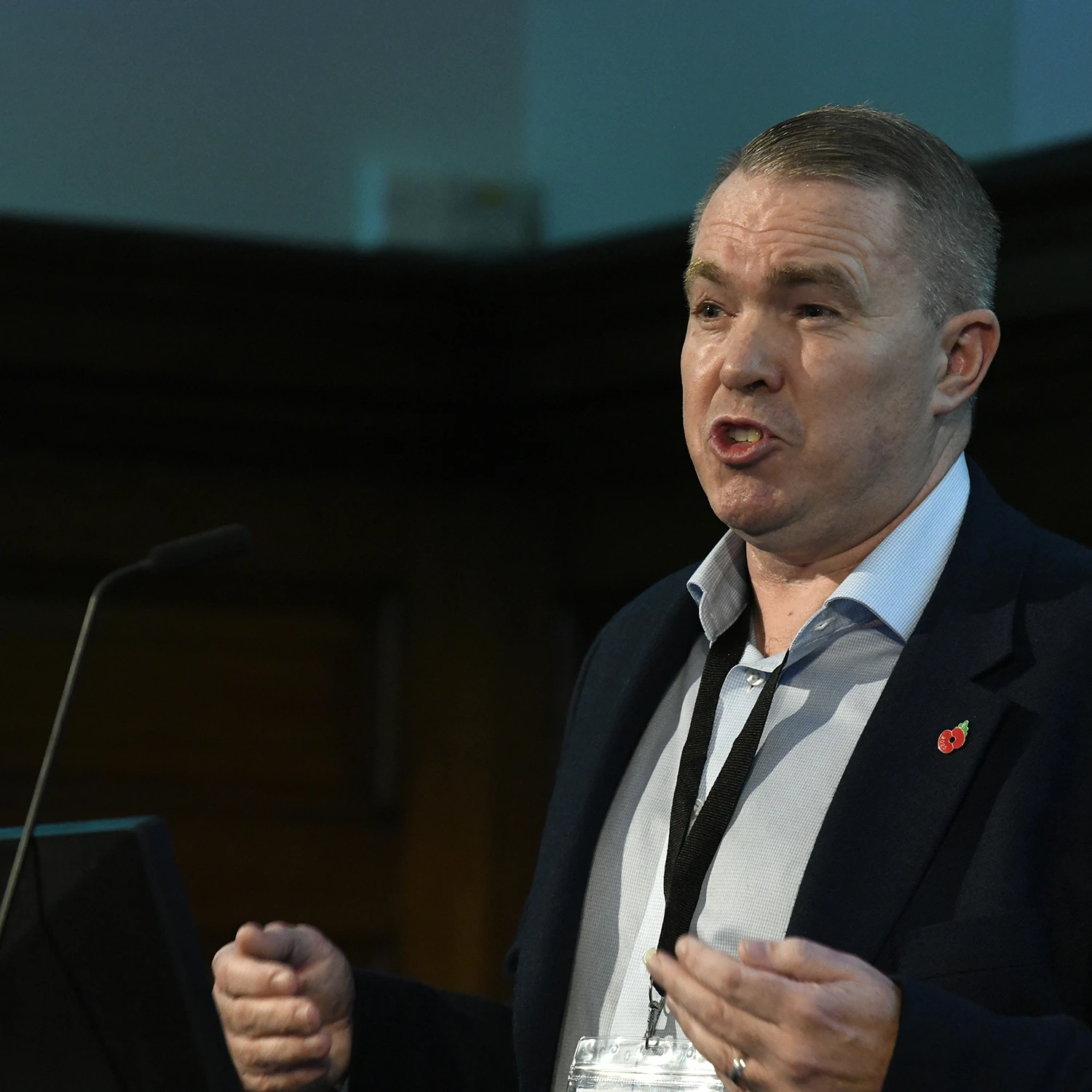
The afternoon brought essential operational topics. Liam Kennedy, Director of Key Accounts at Vitality and amii Executive Vice Chair, introduced the amii Training Academy – providing structured professional development to raise standards across the intermediary community.
Dave Middleton then hosted a compliance fireside chat with Jill Hambley of UKGI and Isabella Macfarlane of ICS Ltd. They tackled non-financial misconduct, regulatory changes, AI-related risks and compliance exposures – subjects fundamental to running sustainable, well-governed businesses.
Dr Roshane Mohidin, Associate Medical Director at Aviva and NHS GP, explored the future landscape of health insurance, examining emerging trends from digital health integration to evolving consumer expectations and preventive care’s expanding role.
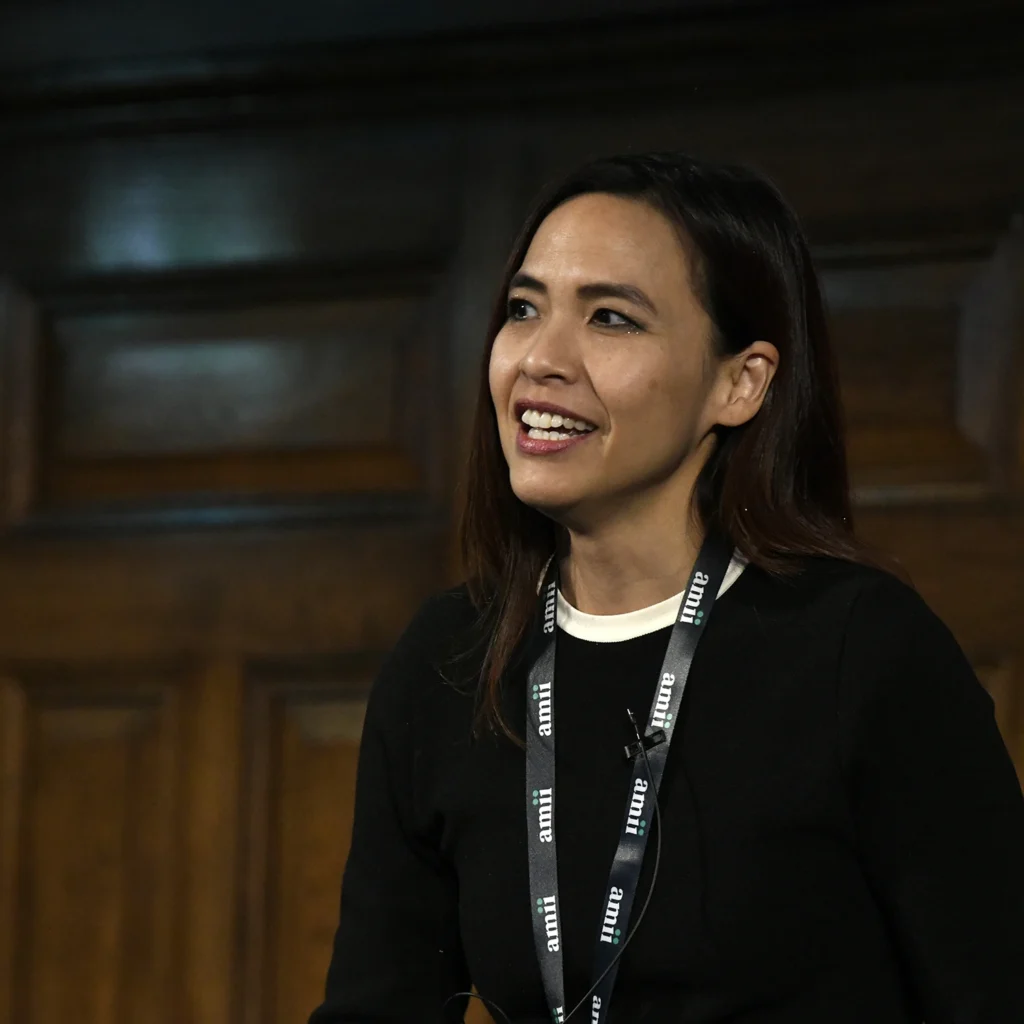
Humanising neurodiversity
The day concluded with Dr Samantha Hiew, founder of ADHD Girls. Diagnosed with ADHD and autism in her 40s, Dr Hiew has spoken to over 100,000 people and trained more than 80 FTSE companies on creating inclusive workplaces for neurodivergent employees.
Her keynote explored understanding neurodiversity not as deficit but as difference – and how employers, insurers and intermediaries can better support neurodivergent individuals. For an industry increasingly focused on employee wellbeing and workplace mental health, her insights offered both challenge and inspiration.
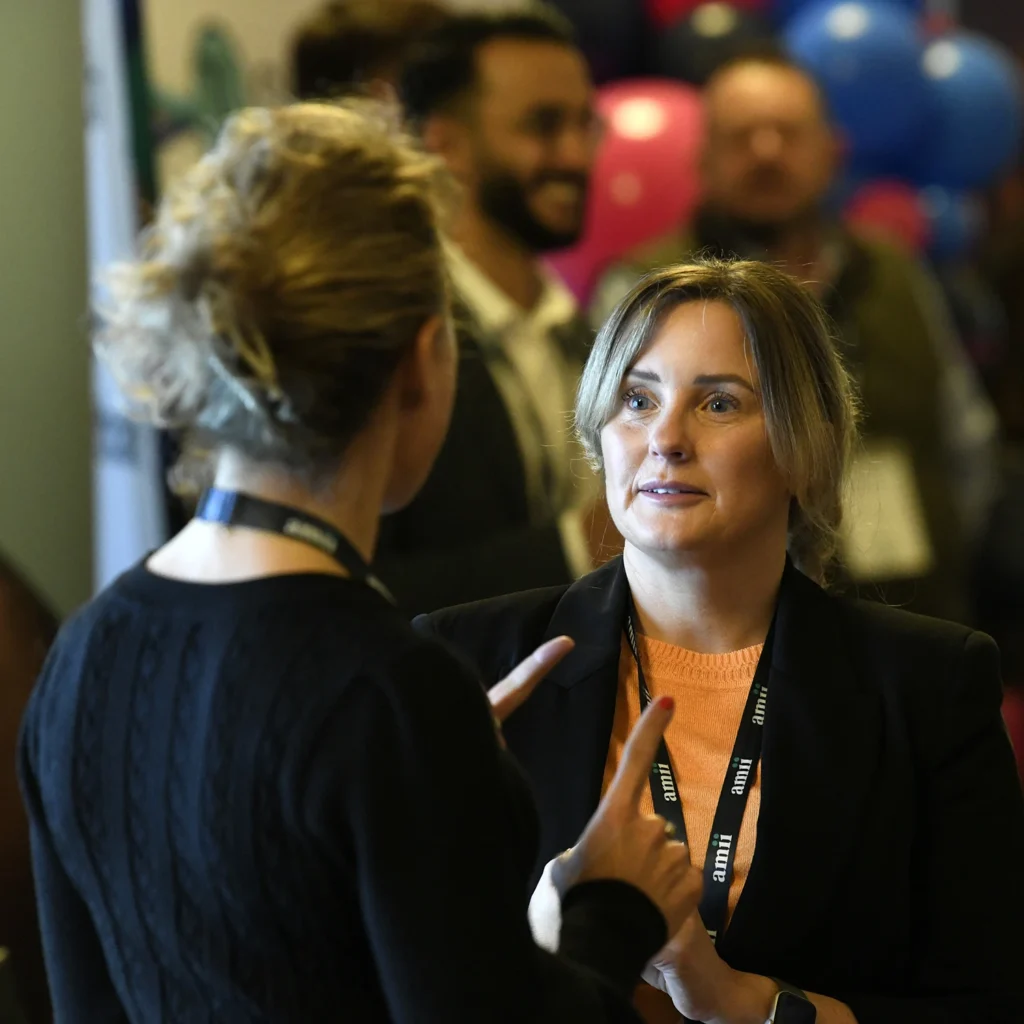
Networking and next steps
Beyond formal sessions, delegates valued the networking opportunities during breaks, lunch, and the evening reception. The chance to connect with peers, share experiences, and explore collaborations reinforced why in-person events remain essential to our professional community.
Our thanks to all speakers, panellists, exhibitors and delegates who made the Autumn Summit such a success. For those who couldn’t join us, we look forward to welcoming you to future events.
The conversation continues.
Hear what delegates had to say
Have you registered to join the for Members Only section of our website?
The for Members Only section of our site provides a wealth of content for members, as well as access to all the benefits that being a member of amii provides. If you haven’t done so already, please do register to take advantage of everything your membership offers. You can do so by following the link below.
Seven Reasons Why Forward-Thinking Brokers are
Guiding Clients Toward Cancer Prevention.
Cancer is now one of the biggest drivers of long-term sickness absence and PMI claims across UK employers. With NHS diagnostic pathways still under pressure, employees are experiencing longer waits for tests, diagnosis, and onward referral – all of which feed directly into cost, risk and complexity for brokers and their clients.
For advisers navigating rising premiums, shifting underwriting patterns and increasing demand for meaningful workplace health strategies, one message is clear:
Cancer prevention and early detection are no longer peripheral wellbeing ‘add-ons’- they are becoming central to sustainable healthcare benefits.
Here’s why leading brokers are putting cancer prevention firmly on their client agenda.

Cancer Is a Workforce Risk - and a Growing Claims Driver
One in two people will develop cancer in their lifetime. For employers, the risk is immediate: The highest incidence occurs among people in their 40s, 50s and early 60s – often the most skilled and strategically vital segment of the workforce.
This creates measurable pressure on employer healthcare costs and insurance products:
- Increased PMI claims
- Higher claims inflation in cancer categories
- Disruption from prolonged absence
- A growing need for personalised, early pathways
For brokers, this shift represents not only a challenge but also an opportunity to bring proactive, evidence-based solutions to clients seeking better ways to manage risk.

Prevention Delivers a Tangible ROI - Strengthening Renewal Conversations
Unlike broad ‘wellbeing spend’, cancer prevention delivers clear, quantifiable financial benefits.
Employers who invest in early detection often see:
- Reduced PMI claims through earlier, lower-cost treatment
- Enhanced management of claims volatility
- Lower critical illness and death-in-service payouts
- Fewer long-term absence costs
- Improved productivity and reduced presenteeism
For advisers, this represents a powerful value-add:
A costed, evidence-led intervention that helps justify premium movement and supports long-term pricing sustainability.
Tools such as Check4Cancer’s Cancer Impact Calculator© allow employers – and their broker partners – to model potential savings based on real workforce demographics.

Early Detection Reduces High-Cost Late-Stage Claims
Late-stage cancers are some of the most expensive, complex and disruptive claims for insurers and employers:
- Extended treatment pathways
- Higher likelihood of recurrence
- Longer absence periods
- Greater employer and insurer costs
Conversely, early-stage cancers – particularly breast, skin, prostate, lung, and bowel – can often be managed quickly and with minimal absence when detected earlier.
Risk-stratified prevention programmes ensure screening budgets are spent where they deliver the greatest impact, allowing employers to offer meaningful benefits without unnecessary cost escalation.


Clients Expect More Than Generic Wellbeing - They Expect Adviser Expertise
Cancer is an area where vague wellbeing messages fall short. Employers increasingly expect brokers to bring:
- Clear guidance on navigating cancer risk
- Evidence-based benefits that go beyond education
- Access to expert-led screening and early diagnostic support
- Clinically governed pathways that provide reassurance
A credible cancer prevention solution elevates the adviser proposition from transactional policy placement to strategic health consultancy.
It enables brokers to support clients with programmes that combine:
- Personal cancer risk assessments
- Targeted screening pathways
- Specialist-led education
- Recall programmes to maintain impact year-on-year
This structure delivers measurable results – and makes prevention a sustained rather than one-off benefit.

NHS Backlogs Mean Clients Need Adviser-Led Alternatives
NHS pressures – particularly across imaging, dermatology, and endoscopy – mean employees may wait weeks or months for diagnostic tests. The operational and financial consequences for employers are significant.
Forward-thinking brokers are helping clients create a reliable pathway that:
- Provides rapid access to testing
- Reduces employee anxiety
- Lowers the risk of costly late diagnoses
- Complements, rather than replaces, PMI and NHS provision
Cancer prevention is increasingly viewed as what PMI was 10–15 years ago –
a differentiating benefit that is quickly becoming an employer expectation.

It Strengthens Broker Differentiation and Retention
In a competitive intermediary market, advisers need benefits that:
- Demonstrate deep sector expertise
- Add meaningful value to client propositions
- Support long-term relationships
- Deliver measurable business outcomes
Cancer prevention is becoming a compelling differentiator – especially for employers seeking experienced advisers who can support risk management, wellbeing strategy, and rising healthcare costs.
For brokers, offering prevention can:
- Strengthen renewal retention
- Open doors to strategic health planning conversations
- Provide a unique differentiator against competing intermediaries

It’s One of the Most Inclusive, High-Value Benefits
Cancer risk spans all demographics, making prevention a benefit with wide-reaching appeal. It resonates with:
- Mid-career employees
- Men who typically avoid healthcare
- Employees without PMI
- Shift workers with limited GP access
- People with family histories of cancer
- Carers balancing work and health responsibilities
Few benefits offer such broad relevance and impact.

Turning Insight into Action
What Brokers Should Do Next
A strong cancer prevention strategy for clients typically includes:
-
Personal Cancer Risk Assessments
Identify who would genuinely benefit from screening, reducing unnecessary tests and controlling costs.
-
Expert-Led Education
Clinically credible content delivered by cancer specialists.
-
Clear, Fast Screening Pathways
Governed access to skin, breast, prostate, bowel, and lung screening.
-
Business Reporting
Data to support renewal conversations and evidence impact.
-
A Recall Programme
Ensures cancer prevention becomes a continuous, cost-effective initiative.
These elements help brokers offer structured, measurable solutions that sit comfortably alongside PMI and other core benefits.
The Bottom Line for Intermediaries
Cancer prevention isn’t just a wellbeing initiative – it’s a strategic risk-management tool that helps brokers:
- Support sustainable PMI pricing
- Reduce claims volatility
- Strengthen client trust
- Differentiate their consultancy
- Provide measurable business impact
These elements help brokers offer structured, measurable solutions that sit comfortably alongside PMI and other core benefits.
Talking Health & Wellbeing: The amii podcast
In this episode, Dave Middleton, Executive Chair of amii, talks with Professor Gordon Wishart, Founder and CEO of Check4Cancer, about the growing challenge of cancer in the UK workforce
Menopause in the workplace.
Why support matters for business and employee health.
Benenden Health
Over 60,000 women in the UK are not working due to menopause, and one in ten leave their jobs because of these symptoms.
Benenden Health’s Gender Health Gap research (2023) revealed that 64% of women believe managing menopause at work makes life harder. To understand this experience, we surveyed 2,000 women aged 40–65 who are currently working or were employed within the last seven years. We also spoke to 500 HR leaders to explore awareness, education and support in the workplace.
The findings are clear: 56% of women reported increased stress and anxiety, while 31% experienced reduced productivity. Meanwhile, 63% said menopause remains an awkward topic at work, and a third admitted they do not feel comfortable discussing symptoms with their manager.
Our recommendation? Businesses should prioritise menopause support as part of their wellbeing strategy. Education for managers, open conversations and access to resources such as coaching and mental health support can make a real difference. Creating a culture of understanding is essential for building healthier, happier and more productive workplaces.

The amii training academy is almost here.
Liam Kennedy, Director of Key Accounts at Vitality & amii Executive Vice Chair
That is why amii is currently developing a new Training Academy, designed to support professional growth, strengthen technical knowledge and help intermediaries navigate an increasingly complex landscape.
Launching in March 2026, the Academy will play an important role in supporting regulatory requirements, improving consumer outcomes and reinforcing high standards of professionalism across the market. It will also provide a structured approach to learning that supports both individual development and firm wide training and competence needs.
This is an exciting step forward for amii and its members, and more information will be shared as the Academy develops.
Watch this space – more coming soon.
Why PMI-lite solutions are
Gaining traction with benefit teams.
The annual cost to employers of poor workplace health is enormous – and estimated to be around £85 billion3.
Employers very much recognise that employee health is an increasingly urgent priority – something even the government has officially recognised with Sir Charlie Mayfield’s ‘Keep Britain Working’ Review4.
Keeping employees well, investing in early interventions and supporting faster returns to work make good business sense. But traditional benefits models with PMI for senior staff and cash plans or an annual health check for everyone else are not always fit for purpose.
Businesses and their benefit teams are now going back to the drawing board on health, with REBA finding nearly three-quarters5 of benefit changes between 2023 and 2025 were related to health protection, mental or physical wellbeing.
While some of that is being driven by increasing PMI costs, there is also an increasing desire to create more equity – rebalancing budgets so health benefits serve more people.
Re-balancing benefits
Matthew Reed, CEO at Equipsme, explains: “The fact is that in modern businesses it isn’t just your senior leadership team that are critical to your business. If you’ve got a skilled worker – like a frontline engineer – who’s out for months with a knee injury waiting for surgery or physio on the NHS, that’s got a massive impact on even large firms.
“In that scenario, the employee cash plan might not go far enough. Getting reimbursement for glasses and dental work, for instance, helps with everyday health costs, but its less likely to reduce sickness absences or promote swifter returns to work. And when it comes to the real, everyday health issues people are facing, they may be capped too low. Basic diagnostic tests like blood work or scans can easily outstrip benefit levels – leaving people out of pocket.
“Meanwhile, traditional PMI costs for the c-suite are rising year-on-year. So it’s no surprise businesses are starting to ask themselves, ‘if I’ve got this much money and this many people – what’s the most I can do for the most amount people?’
“That’s where PMI-lite solutions like Equipsme come in. We set out to do more than a cash plan, and designed it to be more cost-effective than traditional PMI. So businesses can get practical cover – but cover that can work for more or even all of their workforce.”

Employer view - UK Power Networks
When UK Power Networks, the largest electricity distributor in the UK, were looking to boost health benefits for more than 5,000 frontline staff, Mercer Marsh Benefits introduced Equipsme as a middle-ground option in between PMI and cash plans.
Steve Remnant, Head of Reward, HR Services and Employee Relations explains: “All our feedback was telling us health benefits were something people were very interested in. They were struggling to get in to see anyone at their GP or local hospital – and we felt we needed to step in to help with that.
“Everyone at UK Power Networks has access to a cash plan, an EAP, and even occupational health services. We’ve also got a traditional PMI plan, but as with most organisations it only covers those in the most senior roles. So there was this clear gap in terms of practical, physical diagnostic and treatment services for the wider population.
“The equitable thing for us to do was to modernise and equalise our health support – and that’s where Equipsme has come in. It was the nearest fit to getting full-blown PMI for every single person in our organisation, without breaking the budget.
“Gold-plated health insurance for every single person isn’t practical, affordable or sustainable. We wanted something that would help give people a fast-track to a GP or a hospital, get them an early diagnosis and swift intervention, and would be there for the long-term.
“We believe having Equipsme will have a material impact on our business. People off work, for instance with an MSK complaint, should now be able to be seen for diagnostic testing and medical or therapeutic treatment in days or weeks rather than months. That’s going to impact our sickness absence rates – which is great – but not why we’ve made this investment.
“For us, it’s really about making sure we’re the sort of employer that people want to work for, and an attractive proposition in the modern market. We think these are the things businesses absolutely should be doing to support people, attract the best candidates, and retain them.”
Employee view – Equipsme members
“There’s only a small pool of people who can do my job, so if I’m off sick they’re stretched thin and paying double-time for my cover. Going through Equipsme 100% got me fixed up and back to work faster. I’m really grateful my employer is so supportive and actually cares about employee health.”
Andrew, Engineer
“If I’d have gone through the NHS for my hip op I think I’d still be waiting now. So I’d still be in pain – and I’d still be doing less than half of my job. Thank God I had an Equipsme plan to fall back on. The surgeon said that within 6-9 months I should be back doing the active and mobile job I’m trained for, paid for and supposed to be doing.”
Chelsea, Security technician
Sources
- Jul-16-RTT-SPN-publication-version.pdf
- NHS England » Second biggest drop in NHS waiting list in 15 years amid record number of patients
- Keep Britain Working: Technical Note – GOV.UK
- Keep Britain Working Review: Final report – GOV.UK
- https://reba.global/resource/health-related-benefits-dominate-employers-programme-changes.html

Transforming mental health support across our industry.
amii is proud to be working in collaboration with JAAQ on a new initiative focused on transforming how mental health is understood, discussed and supported across our industry. This work brings together lived experience, clinical insight and practical tools to help create more open conversations and better outcomes in the workplace.
A key part of this collaboration is encouraging industry wide participation. Members and organisations are invited to get involved by contributing insight, sharing experience and supporting the ongoing development of the initiative, helping to shape practical, meaningful change across the sector.
The newly launched amii x JAAQ page outlines the vision behind the collaboration, why it matters for our sector, and how this work aims to move beyond awareness towards real, practical support for individuals and organisations alike.
Visit the amii x JAAQ page to find out more about the initiative and how you can take part